How to Build a Thrifted Outfit That Doesn't Look Thrifted
This article contains affiliate links. If you buy through them we may earn a commission, at no extra cost to you.
Secondhand shopping stopped being a niche hobby a while ago. ThredUp's 2026 Resale Report found that 59% of US consumers shopped secondhand in 2025, and the global secondhand market has grown into a $393 billion industry, according to reporting from TheStreet. But there's a real gap between "I bought this at a thrift store" and "this looks like a lucky find instead of a costume." Here's how to close it.
Start With Fit, Not the Find
The single biggest giveaway of an unconvincing thrifted outfit isn't the item itself — it's the fit. A cheap blazer that's a size too big in the shoulders will always look like a cheap blazer, no matter how good the fabric is. Before you even think about styling, try the piece on and ask whether the shoulder seams sit where yours do, whether the hem lands at a flattering point, and whether you'd need a tailor to make it work. If the answer involves a tailor, budget for that cost at checkout. A low-cost secondhand skirt plus a small hem adjustment still comes out well below the price of a new fast-fashion piece, and it will outperform one that was never made to fit anyone specifically.
Buy for the Fabric, Not the Label
Thrift racks mix decades and quality tiers indiscriminately, which is exactly the advantage. You can find a wool coat from a mid-range label next to a cheap polyester one from last season, both priced the same. Check the fabric tag before the brand tag — natural fibers like wool, cotton, silk, and linen hold shape, drape better, and age more gracefully than synthetic blends, regardless of who made them. This is also where the sustainability case is strongest: buying a well-made secondhand wool coat keeps a durable garment in circulation instead of letting it get discarded, while avoiding a new purchase that would add to the roughly 92 million tons of textile waste generated globally each year.
Mix One Thrifted Piece With Items You Already Trust
The outfits that read as "effortlessly cool" rather than "costume" almost always combine one standout secondhand piece with basics you already know fit and flatter you. A vintage silk blouse with jeans you wear weekly. A secondhand leather jacket over a plain tee and trousers you already own. If every single piece in the outfit is new-to-you, your brain (and everyone else's) reads the whole look as unfamiliar and slightly off. Anchoring it with one or two known quantities does the heavy lifting.
Alter the One Detail That's Actually Wrong
You don't need a full tailoring overhaul for most thrifted pieces — usually just one fix. Common ones: taking in a waist that gaps, shortening sleeves that run long, or swapping dated buttons for simple ones. An inexpensive button swap can take a piece from "obviously someone else's old coat" to "where did you get this." This is the step people skip because they assume thrifted means "wear as-is," and it's the step that actually makes the difference.
Why This Matters Beyond the Outfit
The secondhand market isn't growing because of a few viral TikTok hauls — it's structural. NBC News reported that thrift store transactions were up 22% year-over-year according to Bank of America data, with the secondhand apparel market reaching roughly $56 billion domestically and foot traffic at thrift stores rising more than 25% between late 2022 and late 2025 — far outpacing both luxury and traditional retail. Gen Z shoppers are the biggest driver of that shift. Buying secondhand well — meaning fit-checked, fabric-conscious, and tailored where it counts — is what keeps that growth from being undercut by a glut of ill-fitting, barely-worn donations flooding resale apps.
The Bottom Line
A thrifted outfit stops looking thrifted the moment you treat it with the same scrutiny you'd apply to a full-price purchase: does it fit, is the fabric worth keeping, does it pair with something familiar. Skip any of those three steps and the outfit will read as secondhand. Nail all three and nobody will ask where it's from — and if they do, that's a compliment, not a confession.
Looking for the mix of labels and price points this piece is about? Browse ThredUp's current picks and start there.
You may also like
Fashion
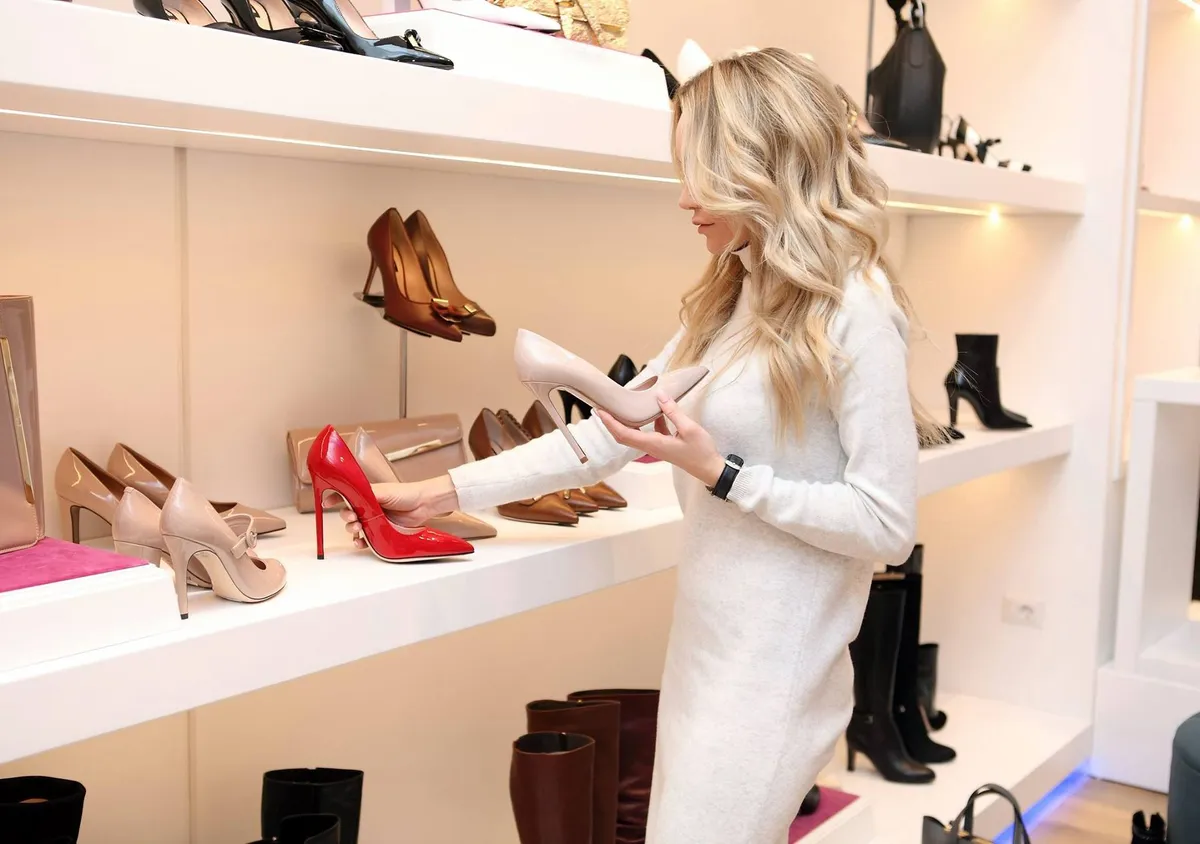
Kitten Heels Are Fall 2026's Breakout Shoe Trend: Budget-Friendly Ways to Get the Polished Look
Fashion
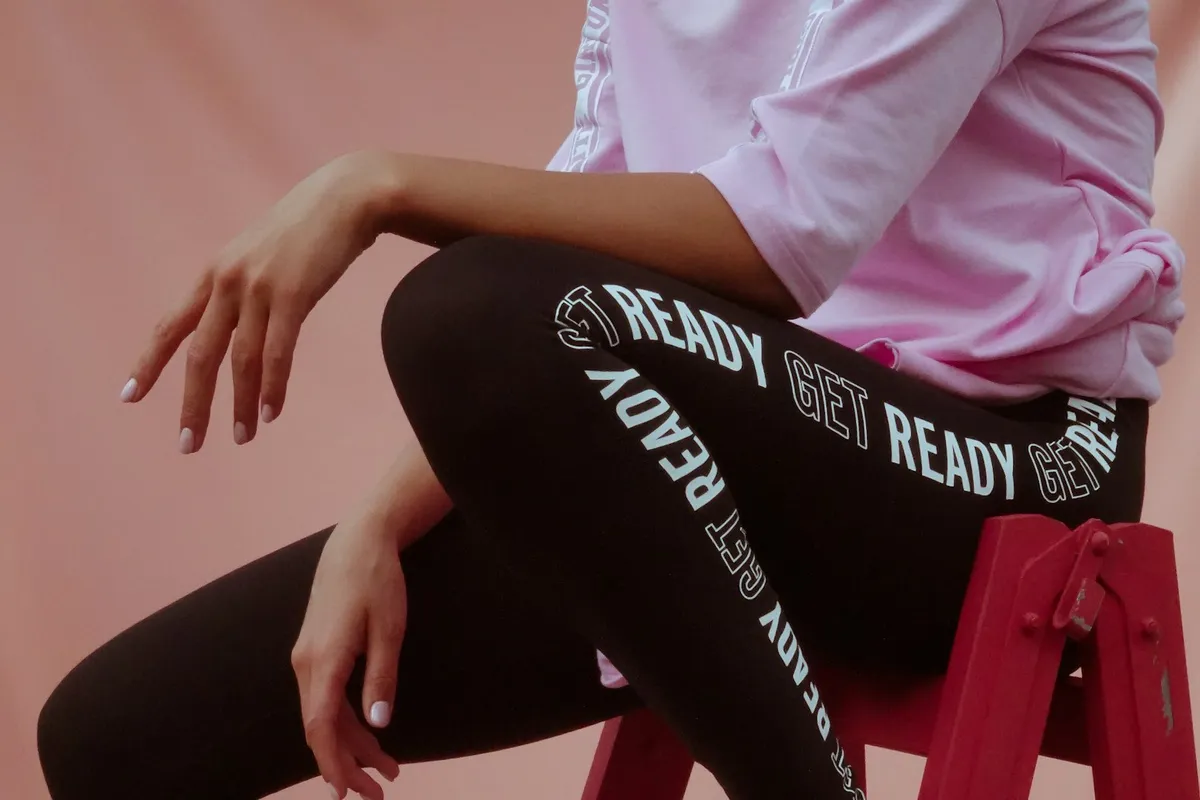
The Leggings Revival Is Back for Fall/Winter 2026: Budget Ways to Style the Runway Comeback
Fashion
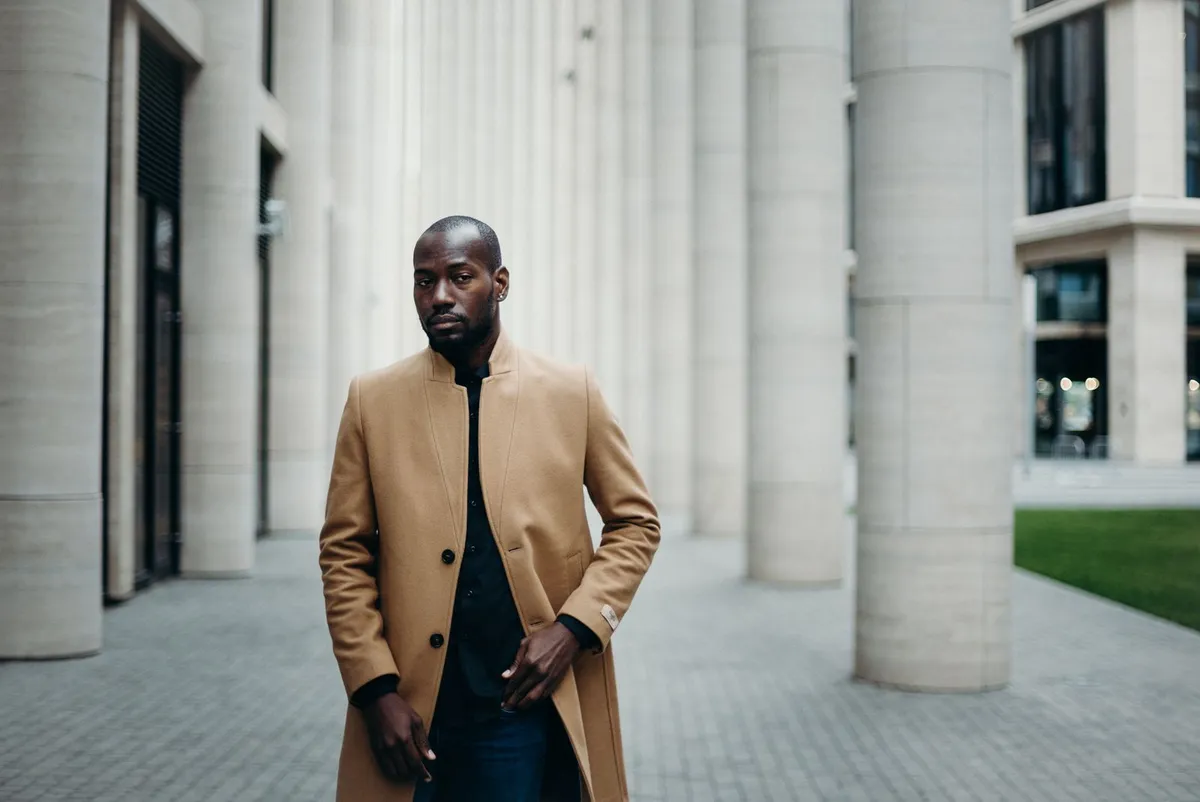
The Glossy Trench Coat Trend Is Everywhere This Fall — Here's How to Get the Look Without the Designer Price Tag