Colors That Will Dominate Your Wardrobe

Every few months, a new color seems to take over every feed, every storefront, every "what to wear this season" list — and it can feel like these trends appear out of nowhere. They don't. Color trends are the result of a surprisingly deliberate process, and once you understand how they're chosen, it's much easier to figure out which ones are worth adding to your closet and which ones you can happily skip.
How color trends actually get decided
Long before a shade shows up on a mannequin at your favorite store, it's already been through a small industry's worth of planning. Trend forecasting committees — groups of color specialists, textile experts, and market analysts — meet up to two years in advance to study everything from consumer psychology to fabric innovation to what's happening culturally and economically around the world. Their job is to predict which colors will resonate next.
From there, the colors move to the runways, where designers interpret them through full collections, giving the industry its first real-world preview of how a shade looks in motion, under lights, against different fabrics. Retail buyers and brands are watching closely, and within a season or two, those same colors get translated into the more wearable, affordable pieces that fill mall racks and online shops. By the time a color reaches your favorite fast-fashion retailer, it's already been vetted, tested, and simplified for everyday life — which is part of why trend colors tend to feel so cohesive across brands at the same time.
The colors having a moment right now
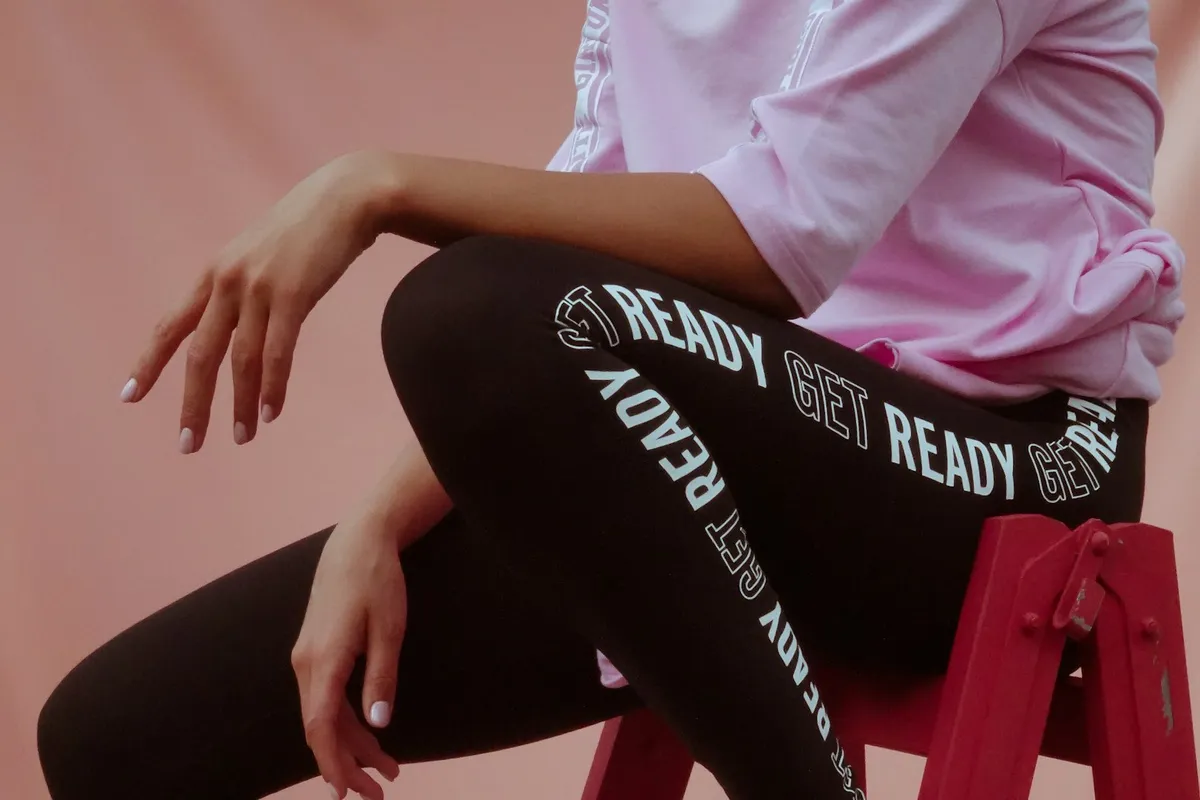
A few palettes keep surfacing again and again this cycle. Earthy, grounded tones — rust, olive, clay, caramel — are everywhere, offering warmth without being flashy. Soft pastels are also having a resurgence, but in a quieter, more muted form than the candy-bright pastels of past seasons; think powdery lilac or faded sage rather than anything saccharine. Metallics have crept in too, not just for party wear but as everyday accents — a silver bag, a bronze-toned top, shoes with just enough shine to catch the light.
Neon is around, but it's being used sparingly: a single bold accessory or a pop of color in a print rather than head-to-toe fluorescent. And balancing all of this out are warm neutrals — think caramel, sand, and toasted beige instead of the stark, cool grays that dominated a few years back. Together, these palettes give you a lot of room to play without needing to overhaul your whole closet.
How to wear trend colors without getting it wrong
The easiest way to bring a trend color into your wardrobe is to start small. Pick one piece — a sweater, a bag, a pair of shoes — rather than trying to build a whole outfit around something untested. This lets you see how the color actually feels on you, in your climate, with your existing pieces, before committing further.
A good rule of thumb: keep trend colors to roughly 30% of any given outfit. The rest can stay neutral, letting the color do the work without overwhelming the look or making you feel like you're wearing a costume. This also means the piece stays versatile — you're not stuck wearing it only one specific way.
Which trend colors actually suit your skin tone
Not every "it" color works for every person, and skin undertone is the biggest factor in why. If your undertone is warm (you tend to look better in gold jewelry, and your veins read more green than blue), earthy tones, warm neutrals, and golden-based metallics like bronze and copper will generally flatter you most.
If your undertone is cool (silver jewelry suits you better, veins look more blue or purple), you'll likely get more mileage out of the softer pastels and cooler metallics like silver or pewter — they won't fight against your natural coloring the way a warm rust might.
And if you're neutral (a mix of both, or genuinely unsure), you're in luck — you can pull off most of what's trending this season with minimal adjustment. When in doubt, hold a piece up near your face in natural light before buying; you'll usually know immediately whether it's working for you.
Making trend colors work with a neutral wardrobe
If your closet already leans heavily neutral — black, white, gray, beige, navy — you don't need to rebuild it to join in on a color trend. The simplest approach is to pick one focal piece in the trend color and let it anchor outfits built entirely from what you already own. A rust-colored coat over an all-black outfit, or a sage green sweater with your usual jeans, does more work than you'd expect.
Accessories are an even lower-commitment entry point. A colorful bag, a scarf, or a pair of shoes lets you test a trend without touching your core pieces at all, and they're easy to swap out once the trend moves on. This is often the smartest way to experiment, since accessories tend to be cheaper and easier to resell or repurpose than full garments.
Common mistakes to avoid
The most frequent misstep is buying a trend color purely because it's everywhere, without checking whether it actually suits your skin tone — it's an easy way to end up with pieces that sit unworn in your closet. A close second is trying to wear multiple trend colors at once; mixing several "it" shades in one outfit usually reads as chaotic rather than fashion-forward, even when each color is lovely on its own.
It's also worth thinking about occasion. A bold metallic or neon accent that works beautifully for a night out can feel completely out of place at the office or at a casual daytime event. Before you buy, ask yourself not just "do I like this color" but "where will I actually wear this" — that one question will save you from a lot of closet regret.
You may also like
Fashion
Kitten Heels Are Fall 2026's Breakout Shoe Trend: Budget-Friendly Ways to Get the Polished Look
Fashion
The Leggings Revival Is Back for Fall/Winter 2026: Budget Ways to Style the Runway Comeback
Fashion
The Glossy Trench Coat Trend Is Everywhere This Fall — Here's How to Get the Look Without the Designer Price Tag