Elegant Looks Using Only Basic Pieces
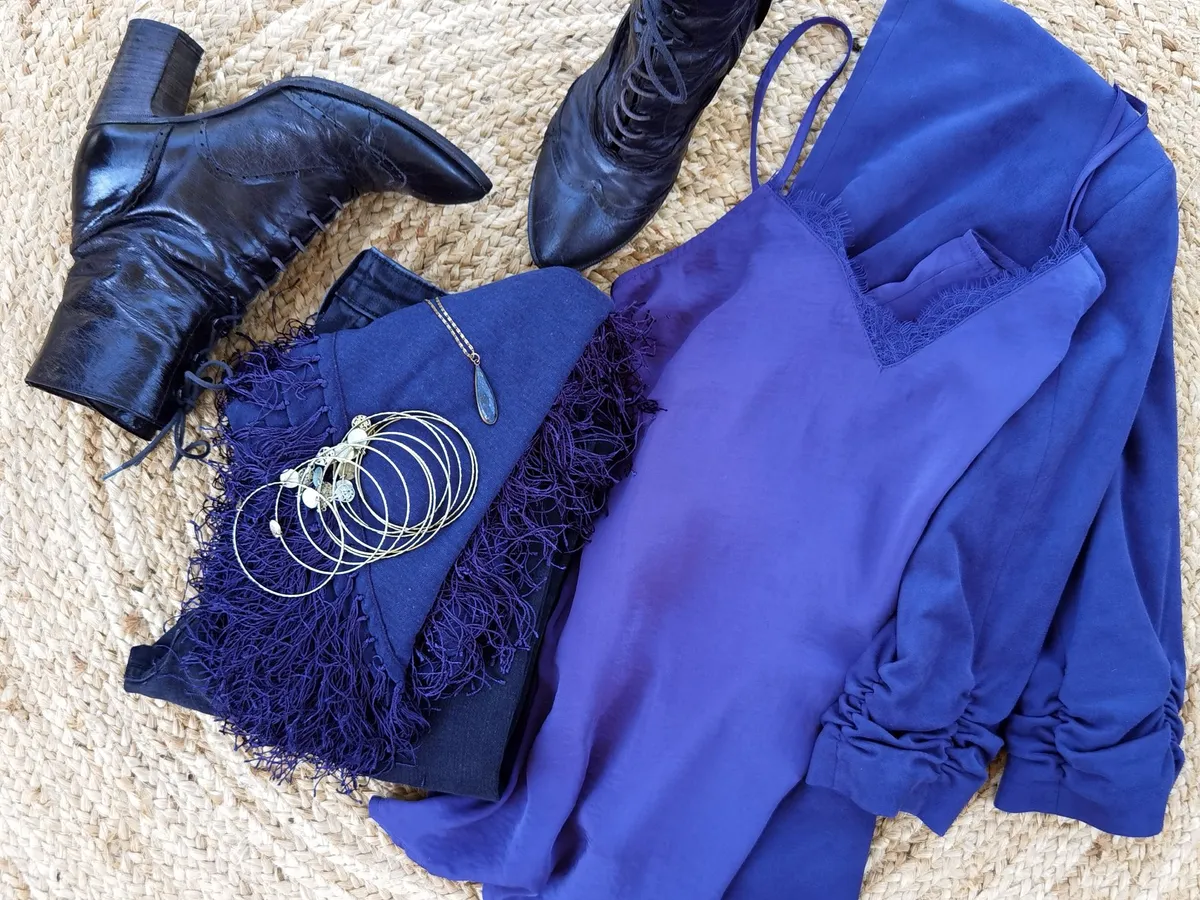
Elegance doesn't require complicated pieces or designer price tags. The most polished outfits are usually just smart combinations of well-chosen basics, put together with a little more intention than most people bother with.
Why basics don't have to be boring
A well-cut basic in a quality fabric already reads as put-together. The trick isn't adding more, it's choosing pieces that are cut properly and made from fabric that holds its shape instead of sagging by noon.
Fit matters more than price
A $20 tee that skims your shoulders right will always look more expensive than a $200 one that doesn't. Pay attention to three things: the shoulder seam sits where your shoulder actually ends, the hem lands at a flattering length, and the waist is defined instead of boxy.
How layering creates elegance
Layering is where basics stop looking basic. A plain tee under a blazer, a vest over a button-down, mixing a matte cotton with something slightly textured or sheer. The contrast in texture does more work than any logo or print ever could, and it signals effort without trying too hard.
Accessories that elevate the basics
A structured belt instantly adds shape to a plain outfit. Medium-sized earrings bring polish without overwhelming a simple top. And a structured handbag, something with real form, not a slouchy tote, reads as intentional even when everything else is simple.
Getting a neutral palette right
Neutral doesn't mean matching everything exactly. The real skill is layering different shades within the same family, think camel against cream, charcoal against black, ivory against taupe. That subtle tonal variation is what separates a look that feels curated from one that just looks like laundry day.
The right shoes change everything
Shoes are often the first thing people notice, even before the outfit itself. A leather ballet flat reads polished and easy. Loafers bring a put-together, slightly preppy edge. Chelsea boots instantly make an outfit feel more deliberate, even over jeans and a plain tee.
Mistakes that make basics look lazy
Wrinkled clothing is the fastest way to kill an otherwise good outfit, no amount of good taste survives creases. Skipping accessories entirely can leave a simple look feeling unfinished rather than minimalist. And an unbalanced silhouette, everything loose or everything tight, reads as an afterthought rather than a choice.
3 ready-to-wear looks using basics
Office: straight-leg trousers, a crisp white tee, a tailored blazer, and leather ballet flats. Date night: a midi dress, a leather jacket thrown over it, and Chelsea boots. Weekend: straight-leg jeans, a white button-down, and loafers.
What Good Basics Actually Cost, Brand by Brand
"Quality basics" sounds vague until you see real numbers next to it. Everlane, a brand built entirely around elevated essentials, lists its blazers as low as $50 on clearance and its cotton t-shirts as an everyday staple of the line, according to Business Insider's roundup of budget workwear brands. On the more minimalist end, COS prices its cotton t-shirt at $45 as part of its own capsule wardrobe edit, per the brand's official capsule wardrobe page. Neither of those numbers is cheap for a plain tee, but they reflect the same principle covered above: the fabric weight and the cut are what you're actually paying for, not a logo or a print, which is exactly why a basic from either of these brands reads as elevated instead of generic.
What a Structured Belt or Bag Actually Costs
The accessories that do this kind of quiet lifting aren't free, but they're not necessarily designer-priced either. COS, a brand built around exactly the structured, architectural pieces described above, prices its Slim croc-embossed leather belt at $69 and its leather crossbody bags between roughly $159 and $179, according to the brand's own capsule wardrobe collection page. That's a useful benchmark: a single well-made belt in that range, worn across a dozen different basics, costs less per outfit over a year than most people spend on a handful of trend pieces that get worn three times and forgotten.
You may also like
Fashion
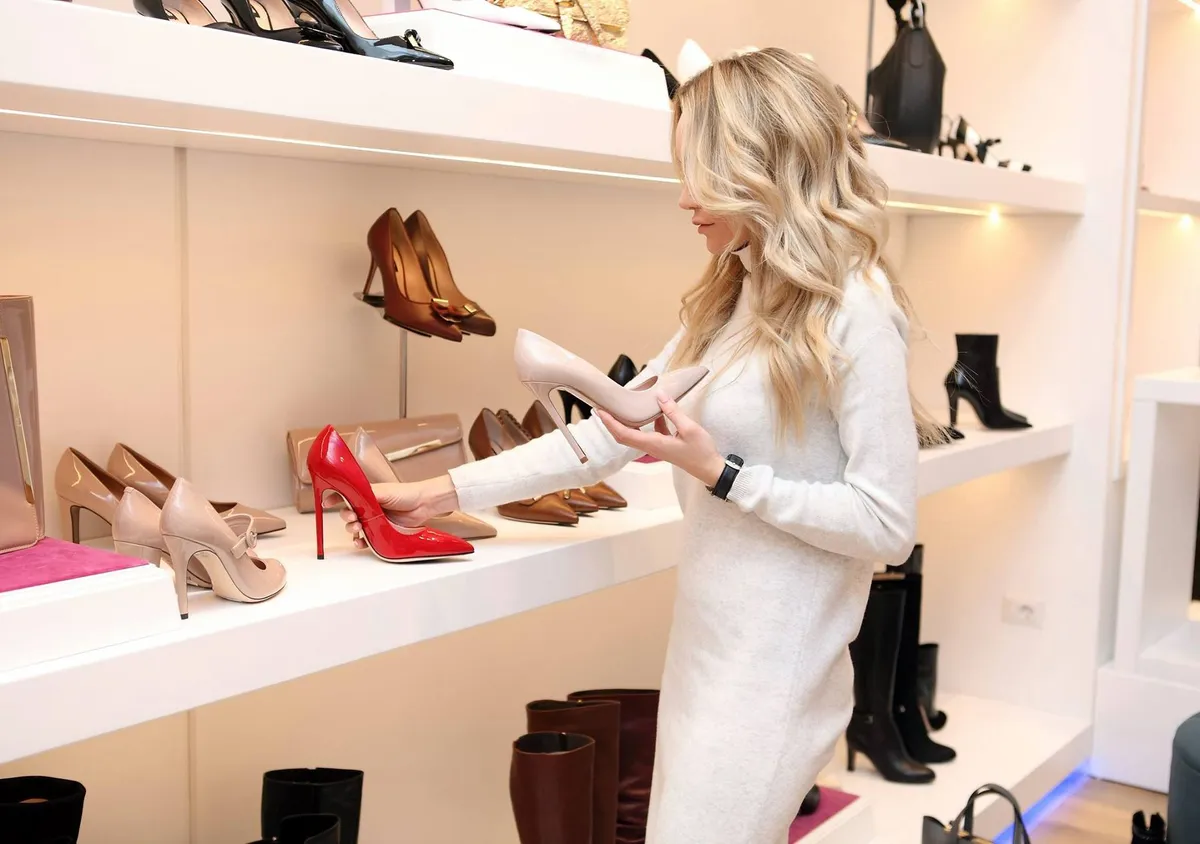
Kitten Heels Are Fall 2026's Breakout Shoe Trend: Budget-Friendly Ways to Get the Polished Look
Fashion
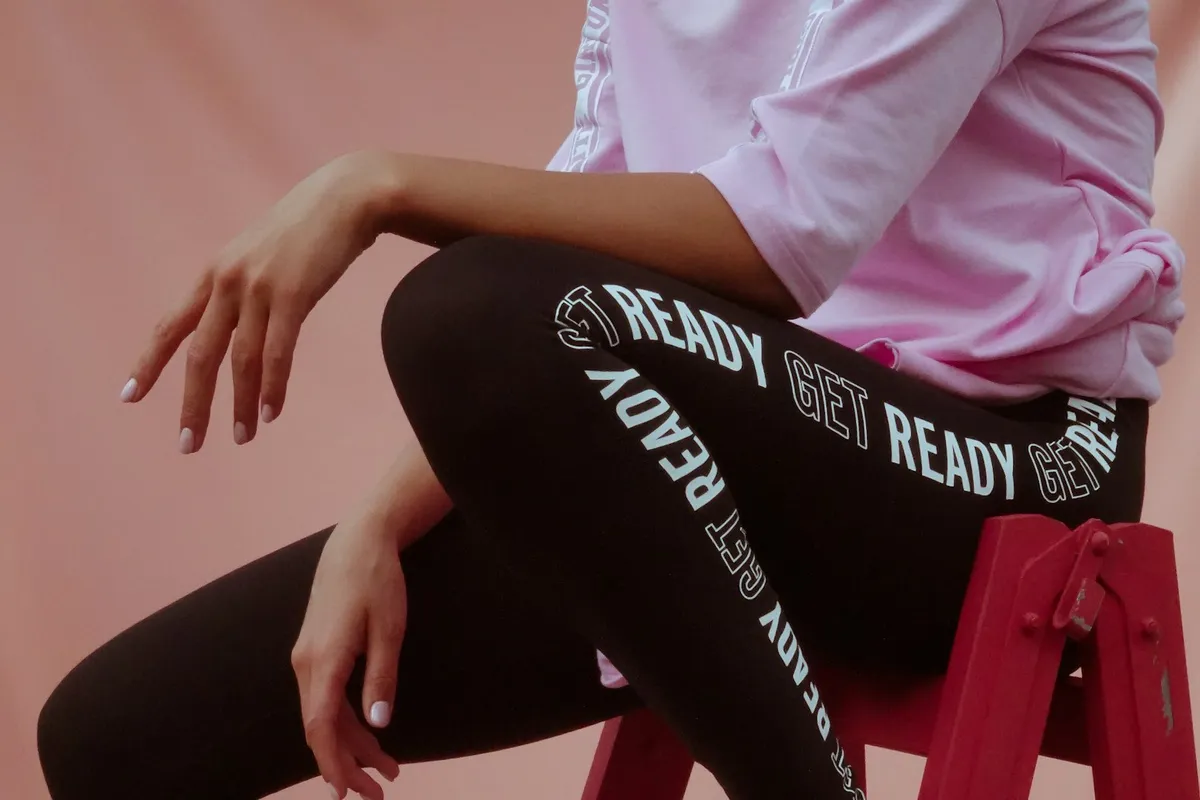
The Leggings Revival Is Back for Fall/Winter 2026: Budget Ways to Style the Runway Comeback
Fashion
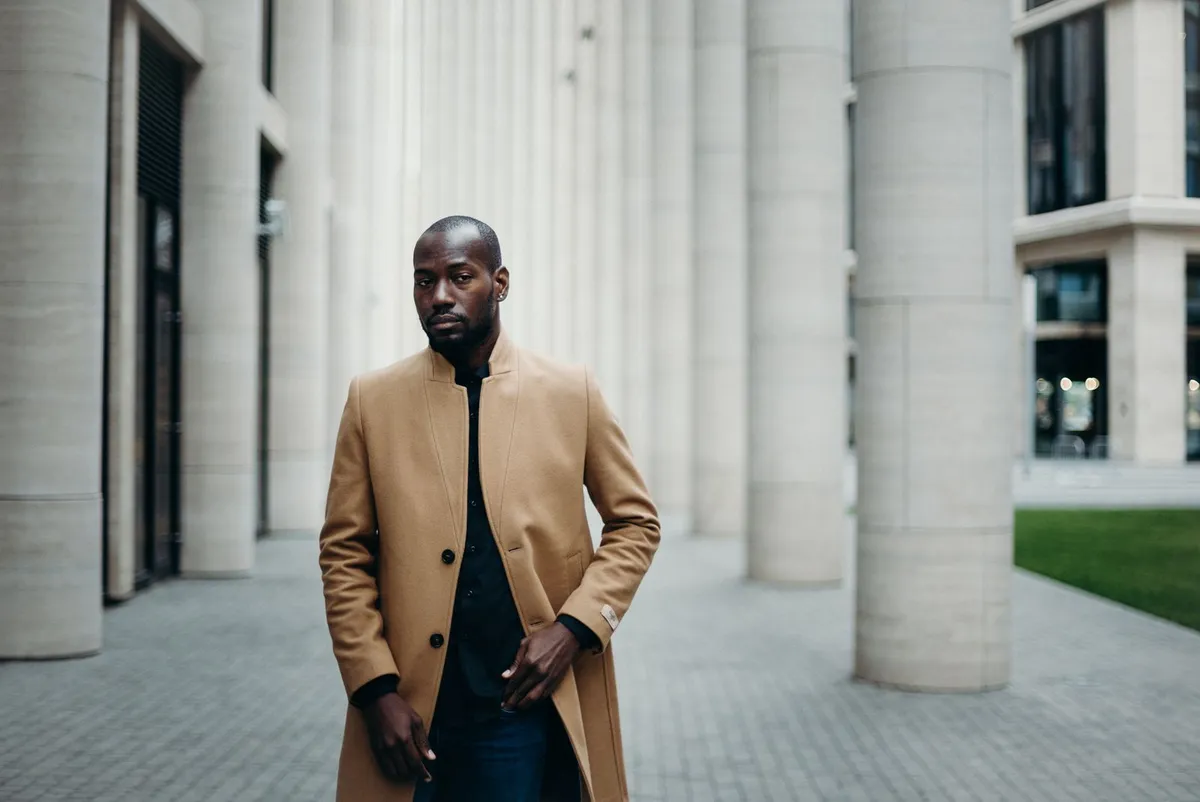
The Glossy Trench Coat Trend Is Everywhere This Fall — Here's How to Get the Look Without the Designer Price Tag