Fabrics and Textures Everyone's Wearing
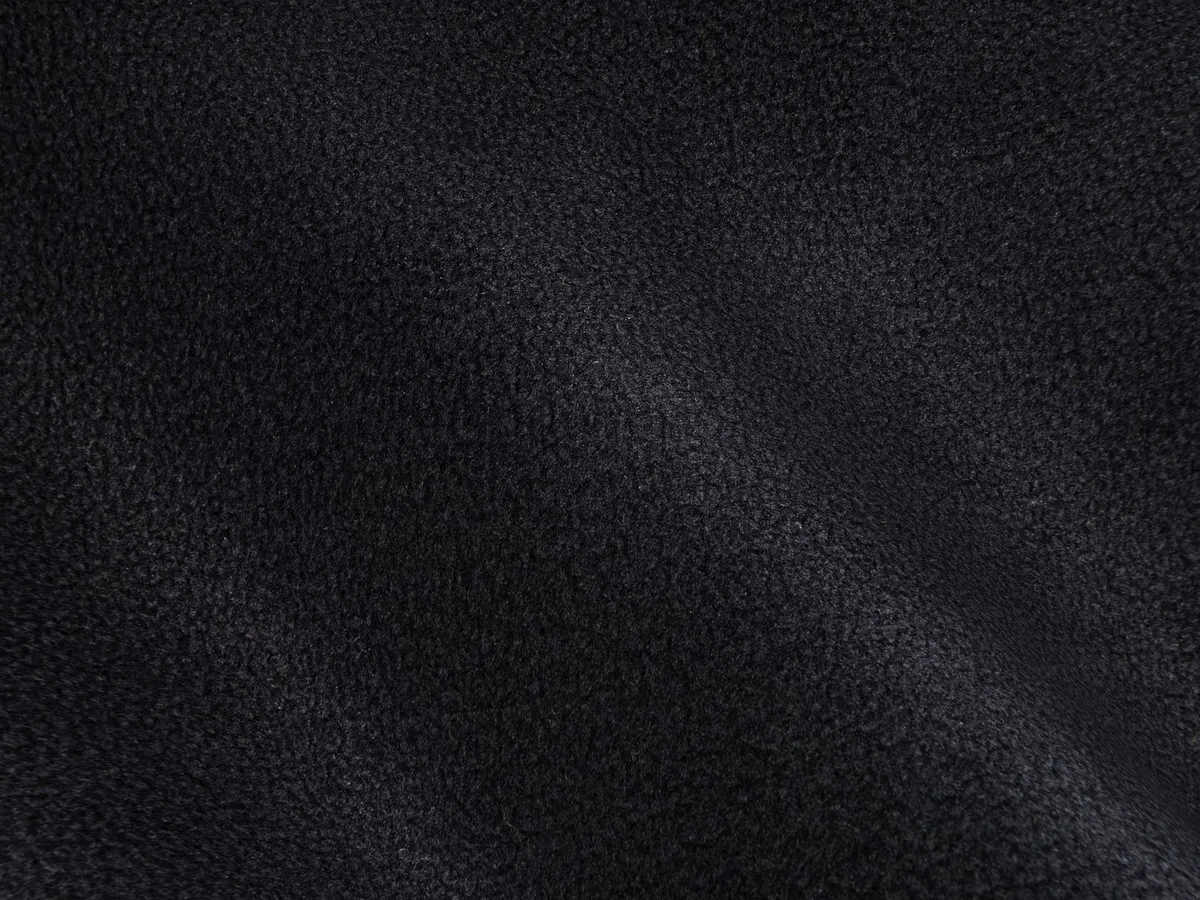
Scroll through any outfit inspo feed and you'll notice something: the pieces that actually stop the scroll aren't just about color or cut. They're about texture. A ribbed knit top, a corduroy jacket, a satin slip — these fabrics carry visual weight and tactile appeal that flat, smooth materials simply can't match. Texture adds dimension to an outfit, catching light differently and signaling quality even before anyone gets close enough to touch it. If you've been building outfits around color palettes alone, it's time to start thinking about what your clothes feel like, not just what they look like in a photo.
Here are six fabrics dominating wardrobes right now, and what each one does best.
Ribbed Knit
Ribbed knit has that stretchy, vertical-line texture you see on fitted tops, dresses, and even cardigans. It clings in a flattering way without looking tight, and the subtle ridges catch light to create visual interest on otherwise simple silhouettes. It's best for fitted tops, bodycon dresses, and layering pieces where you want shape without bulk.
Corduroy
Corduroy is back in a big way, especially on pants, jackets, and skirts. Those soft, raised ridges give it a retro, cozy feel while still looking intentional and put-together. It works well for structured outerwear and bottoms that need a little visual texture to break up an otherwise plain outfit.
Faux Leather
Faux leather delivers edge without the ethical or price tag baggage of the real thing. It's showing up on jackets, pants, skirts, and even bags. The slight sheen and structured feel instantly elevate a casual outfit, making it ideal for adding a tougher, more fashion-forward element to soft or feminine pieces.
Textured Mesh/Knit
Textured knits with visible patterns — cable knit, waffle knit, popcorn stitch — add handmade-looking depth to sweaters and cardigans. They photograph beautifully because the texture creates shadow and dimension, and they feel substantial without being heavy. Great for cooler-weather layering pieces that need to feel cozy, not sloppy.
Linen
Linen is the ultimate warm-weather texture: slightly crinkled, breathable, and effortlessly relaxed. That natural wrinkle isn't a flaw, it's the whole point — it signals an easy, unfussy kind of style. Best for summer dresses, wide-leg pants, and breezy tops where comfort matters as much as looks.
Satin
Satin brings the shine. Its smooth, liquid-like drape makes it the go-to for slip dresses, blouses, and anything meant to feel a little dressier. The reflective surface pairs beautifully against matte or textured pieces, giving an outfit built-in contrast. Use it to inject polish into otherwise casual looks.
How to Tell If a Fabric Is Actually Good Quality
Texture only works in your favor if the fabric holds up. Before buying, scrunch a section of the material in your hand and let go — quality fabric springs back into shape, while cheap material stays wrinkled and limp. Hold the item up against a light source: if you can see straight through it or the weave looks sparse and uneven, that's a sign of thin, low-durability fabric. Finally, check the seams and hems. Clean, even stitching with no loose threads or puckering usually means the piece was made with more care, and that same attention to detail tends to show up in the fabric quality too.
How to Mix Textures Without Getting It Wrong
Mixing textures intimidates a lot of people, but there's a simple formula that works almost every time: pick two strong-texture pieces and balance them with one neutral, texture-free item. Think corduroy jacket plus a ribbed knit top, grounded by plain straight-leg jeans. The neutral piece gives the eye a place to rest so the outfit doesn't feel overwhelming.
Beyond that, play with contrast in shine and weight. Pair something matte with something glossy, or something lightweight with something structured, so the textures complement rather than compete. And as a general rule, cap it at two to three textures per outfit. Any more than that and the look starts to feel chaotic instead of intentional.
Matching Texture to the Season
Texture isn't just a style choice, it's a comfort one too. In summer, lean into lightweight, breathable options like linen and light cotton that let your skin breathe in the heat. These fabrics move with you and don't trap warmth, which matters more than people realize when temperatures climb. In winter, texture does double duty by adding visual coziness and actual warmth — ribbed knits, corduroy, and wool are the standouts here, layering well while keeping the look visually interesting instead of just bulky.
Texture Mistakes Worth Avoiding
The most common mistake is choosing a fabric purely because it looks good under store lighting, without considering how it will actually feel against your skin for hours. A piece that looks perfect on the hanger can feel itchy, stiff, or uncomfortable the moment you put it on for a full day. Second, ignoring the season is a fast way to end up with pieces that sit unworn in your closet — a heavy velvet top has no place in a summer wardrobe, no matter how good it looks in photos. Finally, always consider skin feel before buying, especially for anything worn close to the body. A fabric that's scratchy, overly synthetic, or stiff can ruin an otherwise great outfit the second comfort becomes an issue, so when in doubt, prioritize how it feels over how it photographs.
Texture is the detail that turns a basic outfit into one that actually looks expensive and considered. Once you start paying attention to it the same way you do color and fit, your whole approach to building outfits changes for the better.
You may also like
Fashion
Kitten Heels Are Fall 2026's Breakout Shoe Trend: Budget-Friendly Ways to Get the Polished Look
Fashion
The Leggings Revival Is Back for Fall/Winter 2026: Budget Ways to Style the Runway Comeback
Fashion
The Glossy Trench Coat Trend Is Everywhere This Fall — Here's How to Get the Look Without the Designer Price Tag