How to Build a Capsule Wardrobe Without Overspending
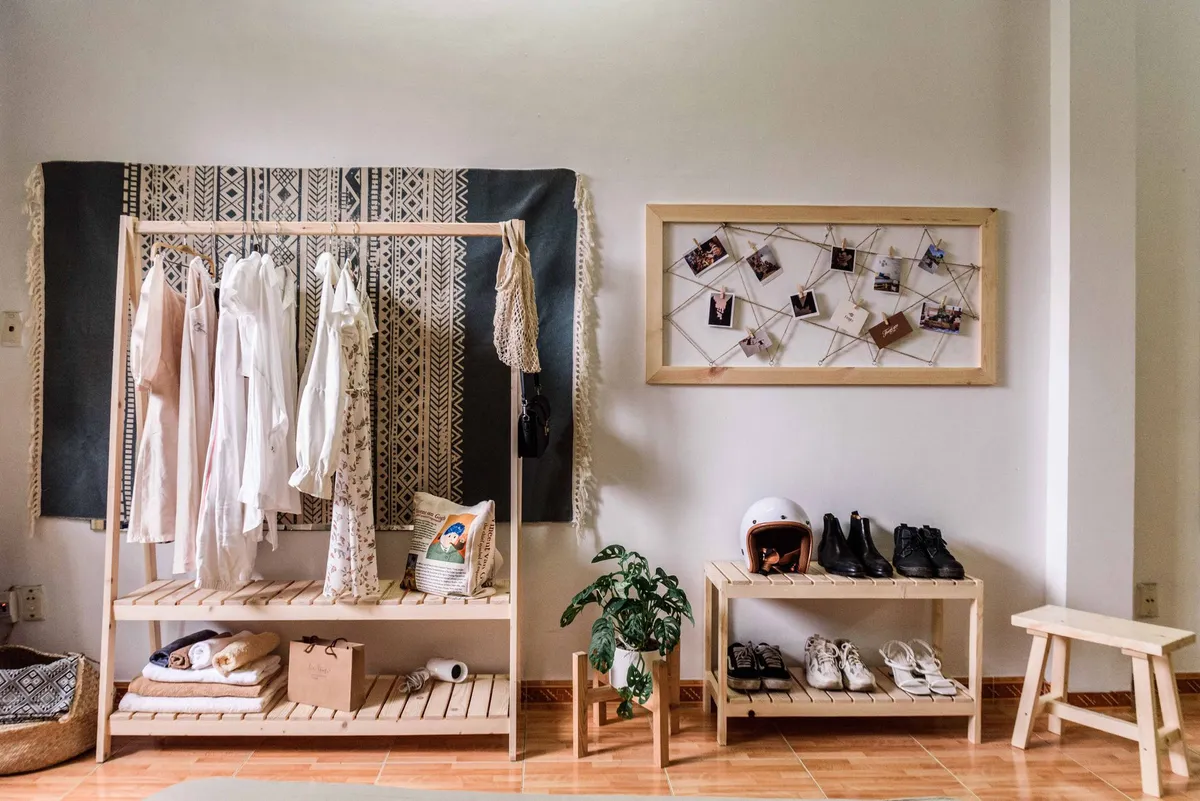
Buying clothes all the time just raises your bill and fills your closet with pieces worn once. A capsule wardrobe flips that: fewer pieces, chosen with real criteria.
What it is and why it saves money long term
Every piece needs to match 3-4 others you already own. You stop buying on impulse.
How many pieces you actually need
A realistic starting point: 30-40 pieces. Don't cut too hard right away, look at what you already wear.
How to choose base colors
2-3 neutral colors as your base, 1-2 accent colors that match them. Ask how many pieces that color pairs with before you buy.
Prioritize quality over quantity
A cheap piece that falls apart isn't savings. Pay more for fabric that holds up to real use. Cost per wear is what matters.
How to buy gradually
Build it in stages, starting with the base pieces. Spread the spending over weeks, test each piece before buying the next.
Pieces with the best cost per wear
Straight jeans, basic t-shirt, neutral coat, comfortable shoes. Very specific pieces have a high cost per wear.
Mistakes that make you spend more
Buying pieces 'just in case', not reviewing what you already own, buying just because it's on sale.
How to adapt by season
The neutral base stays all year, only the layers change. Store what's off-season instead of tossing it.
A capsule wardrobe is about having exactly what you wear, nothing that just takes up space.
The Real Savings, Backed by Data
It's easy to assume the savings from a capsule wardrobe are more about feeling virtuous than actual dollars, but the numbers back up the strategy. A 2025 market report from Marketintelo found that consumers who switch to a capsule wardrobe approach typically reduce their annual clothing spending by 30 to 50 percent compared to fast-fashion purchasing patterns. That's not a marginal difference, it's close to cutting your clothing budget in half simply by changing how you buy, not by buying less expensive items.
The same report breaks down why: quality capsule pieces typically last three to seven years of regular wear, compared to just half a year to two years for fast-fashion alternatives. Run that math on a single pair of jeans and the logic becomes obvious. A pair that costs twice as much but lasts four times longer isn't a splurge, it's the actual cheaper option once you measure cost over time instead of cost at checkout.
This is also why the report found the fashion industry generates roughly 92 million tons of textile waste annually, with the average consumer discarding about 27 kilograms of clothing and textiles per year. Every piece that lasts seven years instead of getting discarded after eight wears is one less contribution to that number, which means the financial case for a capsule wardrobe and the sustainability case are really the same argument told two different ways.
None of this requires buying expensive brands specifically. It just means applying the lifecycle math from this report to your own decisions: before buying anything, ask not just what it costs today, but how many years of wear you're realistically going to get out of it, and whether that number justifies the price relative to a cheaper, shorter-lived alternative.
In practice, that means treating every new purchase like a small audit. Before adding anything to your cart, picture it next to the base colors and pieces you already own from the sections above, and ask honestly how many times a year you'll actually reach for it. A piece that only answers "once or twice" rarely earns its spot, even at a bargain price, while a slightly pricier piece that answers "weekly" is almost always the better long-term deal.
Over a year or two, this audit habit becomes almost automatic, and it's usually the single biggest reason people who build a capsule wardrobe stop overspending for good: the decision gets made once, at the point of purchase, instead of repeatedly every time an unworn piece gets pushed to the back of the closet.
You may also like
Fashion
Kitten Heels Are Fall 2026's Breakout Shoe Trend: Budget-Friendly Ways to Get the Polished Look
Fashion
The Leggings Revival Is Back for Fall/Winter 2026: Budget Ways to Style the Runway Comeback
Fashion
The Glossy Trench Coat Trend Is Everywhere This Fall — Here's How to Get the Look Without the Designer Price Tag