How to Choose the Right Everyday Bag
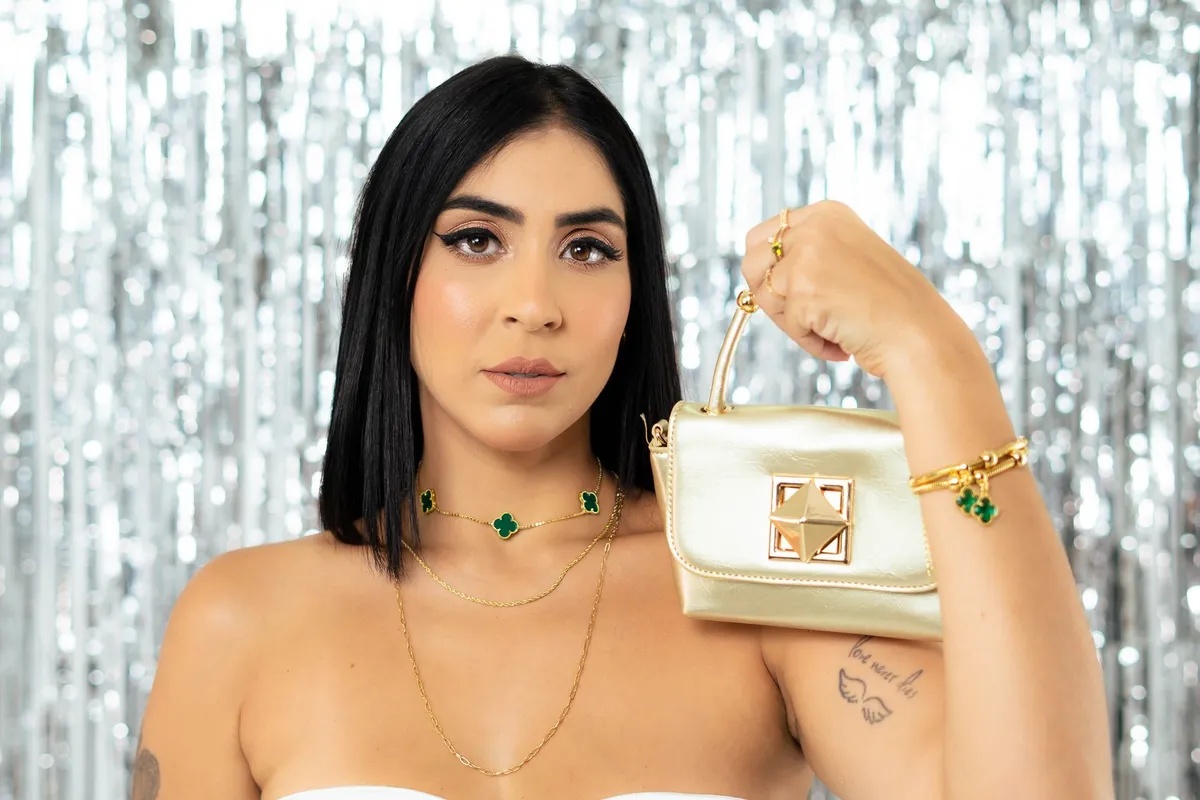
Your bag is the one accessory that comes with you everywhere, which means getting it wrong is a daily annoyance and getting it right is an easy win for both your outfits and your sanity. A few smart questions before you buy can save you from another impulse purchase that ends up sitting in the closet.
Finding the Right Size for Daily Life
Before anything else, think about what you actually carry on a normal day. Wallet, phone, keys, maybe a lip balm and a charger — that's the real checklist, not the fantasy version of your life where you need six pockets for gadgets you don't own. A bag that's too big invites clutter and back strain; one that's too small means you're constantly leaving things behind or stuffing it past capacity. Match the size to your routine, not to what looks impressive on the shelf.
Picking a Material That Can Handle Real Wear
Material is where a lot of bags quietly fail. Genuine leather is durable and ages well, but it comes with a higher price tag. Faux leather is budget-friendly and increasingly convincing, though it won't hold up quite as long under heavy daily use. Canvas and fabric bags are lightweight and easy to love, but they show stains and wear faster than you'd expect. There's no universally "best" option here — just the one that matches how hard you're going to use it.
Neutral Tones vs. Statement Colors
A neutral bag — black, tan, cream, gray — is the safe, versatile choice that pairs with nearly everything in your closet without a second thought. A bold or bright color, on the other hand, becomes the focal point of your outfit, which can be exactly what you want when you're building a look around it. Neither is wrong; it's really about whether you want your bag to blend in or steal the show.
Structured vs. Slouchy Silhouettes
A structured bag with clean lines and a defined shape reads more polished and works well for office settings or dressier occasions. A slouchy, soft-sided bag feels more relaxed and casual, and tends to be more forgiving when you're tossing things in on the go. Your lifestyle — more boardroom or more weekend errands — should guide which silhouette earns a spot in your rotation.
How Many Compartments You Actually Need
It's tempting to go for a bag with endless zippers and sections, but in practice, two or three well-placed compartments are usually plenty. Too many pockets just means more places to lose your keys. Prioritize smart organization over sheer quantity.
Handheld, Crossbody, or Backpack
Each carrying style comes with its own trade-off. A handheld bag looks elegant and put-together, but it occupies your hands, which gets old fast when you're juggling coffee and a phone. A crossbody frees up both hands while keeping your essentials close. A backpack distributes weight across your shoulders, easing strain on your back — ideal for longer days or commutes. Think about how much you'll actually be moving before you decide.
How Your Bag Shapes the Whole Look
A bag does more heavy lifting in an outfit than people give it credit for. A structured neutral bag can instantly elevate a simple, basic outfit, making it look more intentional without any extra effort. It's one of the easiest ways to upgrade a look without touching anything else you're wearing.
Common Mistakes to Avoid
The biggest trap is buying purely for looks without considering how you'll actually use the bag day to day. A gorgeous bag made from a delicate material won't survive a demanding routine, and you'll end up frustrated — or replacing it sooner than you'd like. Think function first, then let style follow.
You may also like
Fashion
Kitten Heels Are Fall 2026's Breakout Shoe Trend: Budget-Friendly Ways to Get the Polished Look
Fashion
The Leggings Revival Is Back for Fall/Winter 2026: Budget Ways to Style the Runway Comeback
Fashion
The Glossy Trench Coat Trend Is Everywhere This Fall — Here's How to Get the Look Without the Designer Price Tag