Men's Wardrobe Essentials That Make Outfits Easier
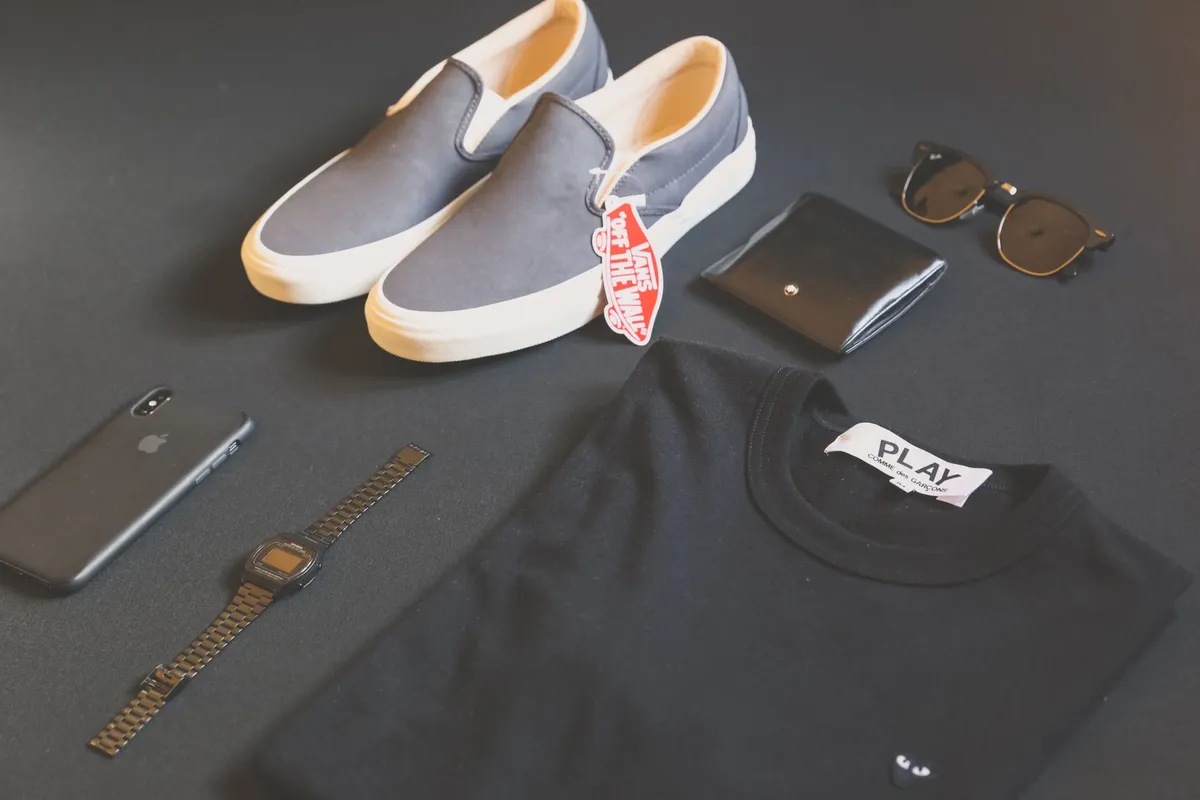
You don't need a closet bursting with clothes to look put together every day. With around ten well-chosen pieces, you can cover work, weekends, and everything in between without overthinking it each morning.
Quality basic tees
Three or four basic tees in neutral colors do most of the heavy lifting. Look for mid-weight cotton with reinforced stitching so they hold their shape wash after wash instead of going thin and saggy after a month.
A versatile button-down
One well-chosen button-down shirt can stand in for three or four tees when it comes to occasions. Light blue or a subtle check pattern reads sharp at the office and relaxed enough for dinner out, so it pulls double duty without trying too hard.
Pants that work for both office and off-hours
A pair of tailored pants in a lightweight fabric with a straight cut, in a neutral shade, bridges both worlds. Dress them up with the button-down or down with a tee, and they'll never look out of place either way.
A jacket or blazer for any occasion
A structured blazer handles meetings and dinners that call for a bit more polish. A utility jacket covers everything casual — weekend errands, coffee runs, low-key hangouts. Between the two, you're set for nearly anything.
Neutral sneakers
One pair of sneakers in a neutral tone pairs just as easily with tailored pants as it does with jeans or shorts. Skip anything too flashy or trend-specific if you want a shoe that still works in two years.
A belt and a watch — the only accessories you need
A leather belt and an understated watch cover roughly 90% of situations. You don't need a drawer full of accessories; these two do the job of pulling an outfit together without adding noise.
Colors that pair effortlessly
Keep your palette to three or four base colors, and bring in one accent color at a time. This is the easiest way to avoid clashing and makes every piece in your closet work with nearly everything else.
How to build 5 outfits from 10 pieces
Take two tees, one button-down, two pairs of pants, one blazer, one pair of sneakers, a belt, and a watch — that's enough to build five distinct looks for five different days, no repeats, no stress.
A functional wardrobe isn't about owning more. It's about owning fewer pieces that actually work together.
The Real Money Behind Men's Essentials
This isn't just styling advice, it's also where the market is actually moving. According to a 2025 capsule wardrobe market report from Dataintelo, total US spending on men's and boys' clothing rose to $153.7 billion in 2025, up from $144.1 billion the year before, with men's essentials now the fastest-growing segment of that spend at roughly 7.2 percent a year. Brands like Vince, Theory, Quince, and Everlane have built entire men's lines around exactly the formula described above, knitwear, chinos, and tailoring that work for hybrid work schedules instead of single-occasion pieces.
That shift matters for how you shop, because it means the ten-piece approach outlined here isn't a niche minimalist trick, it's increasingly the default way essentials brands are designing collections in the first place. Fewer SKUs per brand, built to be worn across more contexts, is the same logic behind your own closet edit. If a brand's entire men's line is built on five or six core silhouettes that recombine endlessly, that's a strong signal those pieces were actually designed to be worn together rather than sold as one-off trend pieces.
When you're deciding where to spend more versus where to save within your own ten pieces, this is worth keeping in mind: the categories essentials brands invest the most R&D into, like knitwear and tailored trousers built for stretch and movement, tend to be the ones worth paying up for in your own closet too. The cheap version of a basic tee is forgiving; the cheap version of tailored pants rarely is.
You may also like
Fashion
Kitten Heels Are Fall 2026's Breakout Shoe Trend: Budget-Friendly Ways to Get the Polished Look
Fashion
The Leggings Revival Is Back for Fall/Winter 2026: Budget Ways to Style the Runway Comeback
Fashion
The Glossy Trench Coat Trend Is Everywhere This Fall — Here's How to Get the Look Without the Designer Price Tag