Statement Accessories Without Overdoing It
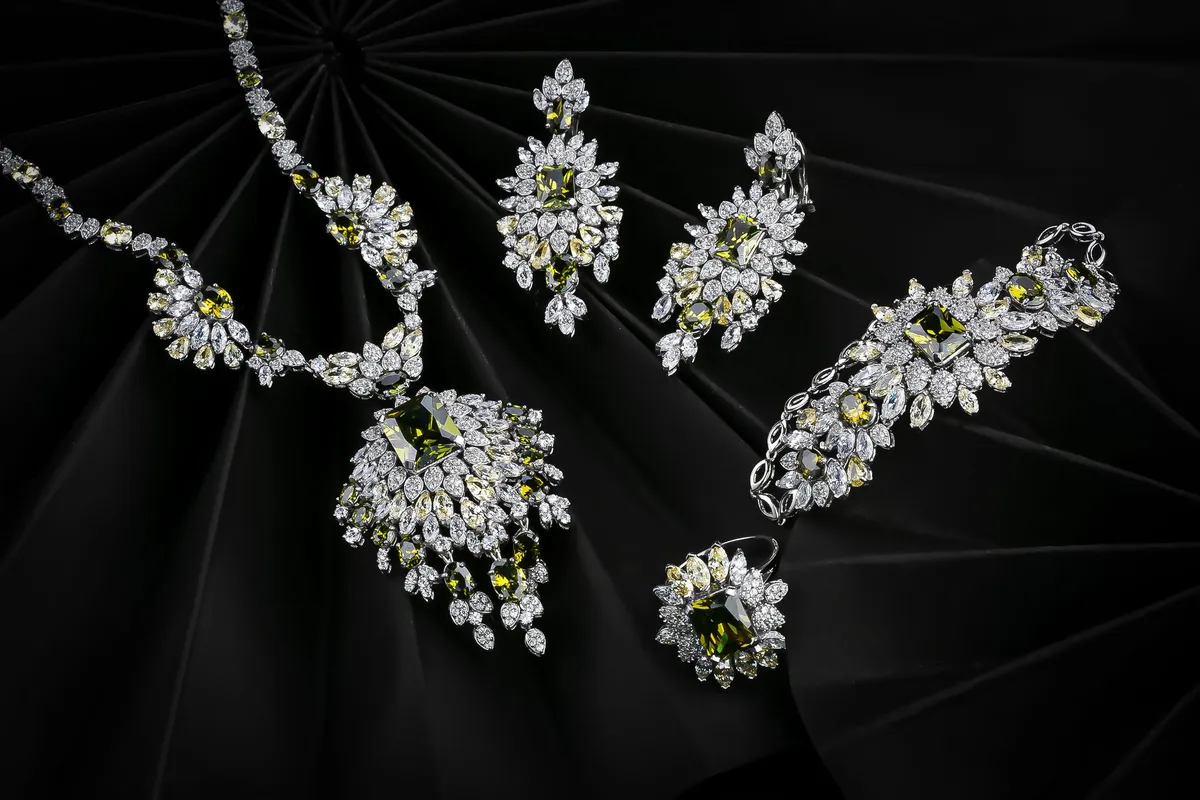
A statement piece grabs attention before anything else. The mistake is wearing too much of the loud stuff at once.
What a true statement accessory actually is
It has its own presence and doesn't need company to work.
The one-statement-piece-per-look rule
Pick one statement piece and let everything else stay in the background.
How to choose between a necklace, earrings, or a bag as the focal point
An open neckline calls for a necklace, hair pulled back opens space for earrings, and a understated outfit calls for a bag.
Colors and sizes that work best
Colors that contrast with the outfit work best, and the size needs to be in conversation with your proportions.
How to balance a statement piece with a simple outfit
A basic outfit gives the accessory visual room to breathe.
Statement pieces at work vs. going out
Work calls for understated colors, while going out allows for more shine and volume.
Mistakes that tip into overkill
Wearing a statement necklace, earrings, and bag all at once, and ignoring your body proportions.
What the Fall 2026 Runways Say About This Rule
The one-statement-piece principle isn't just styling advice — it's exactly what played out on the fall 2026 runways. According to Who What Wear's fall 2026 jewelry trend report, Saint Laurent sent models down the runway in gold chains so thick they looked like "a piece of artwork," and the trick was pairing that single oversized chain with a naked, sheer lace dress rather than layering on more jewelry. The outfit had exactly one focal point, and the rest of the look stayed quiet enough to read as intentional instead of excessive. Chanel took a similar approach with large beaded necklaces styled more like collars than delicate pendants — supersized, but still singular, which is what kept them from tipping into costume territory.
The same report notes a parallel return of extra-long necklace stacks, seen at Zimmermann and Chloé, where several thin pendants are deliberately piled on top of each other as one cohesive statement rather than several competing ones. That's worth knowing if you're drawn to layering: the stacking only reads as a single "look" when the pieces share a similar scale and metal tone, which is really just the one-statement-piece rule applied inside a single category of jewelry instead of across a whole outfit.
On the earring side, Vogue's roundup of the season's accessory trends points to pieces like Agmes's baroque Juliette earrings, priced at $450, as an example of how big the fall 2026 earring moment has gotten — oversized, sculptural, and clearly meant to be worn without competition from a necklace or a loud bag. That price point also makes a case for the budget version of the same idea: a single pair of large, well-made earrings is a more cost-effective way to buy into this trend than a full set of matching statement pieces you'll only wear one at a time anyway.
Building a Statement Collection Without Overbuying
If your jewelry box is mostly dainty gold studs and thin chains, you don't need to replace all of it to try this trend. Start with one piece that can anchor several outfits: a single pair of large hoops or sculptural earrings works with both a work blazer and a going-out top, which makes it a smarter first purchase than a trend-specific necklace that only suits one kind of neckline. Bags are actually the easiest entry point of the three, since a statement bag doesn't interact with your hair or neckline the way jewelry does — it can sit at full volume regardless of what else you're wearing, as long as you follow the same rule and let everything else stay simple. Once you own one strong piece in each category, you can rotate which one carries the look day to day instead of buying new statement pieces for every outfit, and that's really the most cost-effective way to build toward a wardrobe full of personality without the clutter.
You may also like
Fashion
Kitten Heels Are Fall 2026's Breakout Shoe Trend: Budget-Friendly Ways to Get the Polished Look
Fashion
The Leggings Revival Is Back for Fall/Winter 2026: Budget Ways to Style the Runway Comeback
Fashion
The Glossy Trench Coat Trend Is Everywhere This Fall — Here's How to Get the Look Without the Designer Price Tag