Style Habits That Have Officially Gone Out of Fashion

Fashion doesn't just change in what's trending — it changes in what reads as a mistake. The habits that once signaled "I'm put together" can quietly flip into the opposite signal a few years later, and nobody sends a memo when it happens. You just start noticing that certain looks feel a little off, a little dated, even when nothing about them is technically wrong. Here are six style habits that have fallen out of favor, why the shift happened, and how to tell if you're still doing one of them without realizing it.
1. Head-to-toe branding from a single label
Logos splashed across every piece — the belt, the bag, the shirt, the shoes — used to read as a flex. Now it mostly reads as the opposite: like you're leaning on a brand name to do the talking because you're not sure the outfit can speak for itself. The irony is that the people who look most confident today are usually wearing the least obvious branding. One logo item, worn with pieces that aren't shouting for attention, lands as intentional. Four logo items at once lands as insecure, even if that's not the message you meant to send.
2. "Comfortable" shoes that clash with everything else
To be clear, this isn't an argument against comfort — nobody's saying you should suffer for style. The actual issue is mismatched intention. Chunky trainers under a tailored suit, or recovery sandals with a dressed-up evening look, don't fail because they're comfortable. They fail because they look like an afterthought, like you got dressed and then grabbed whatever was by the door. The fix isn't picking painful shoes. It's picking comfortable shoes that were actually chosen for the outfit — clean sneakers, a low block heel, a loafer — instead of whatever happened to be convenient.
3. Layering for the sake of layering
Layers used to be shorthand for "I know what I'm doing." Now, piling on a scarf, a vest, a jacket, and an underlayer just to hit some imagined styling quota tends to read as bulky and directionless rather than intentional. The question worth asking before you add one more piece is simple: does this layer serve the outfit, or is it just there? Good layering has a point — warmth, silhouette, a pop of color peeking through. Layering without logic just adds volume and makes the whole look harder to read.
4. Colors that fight your undertone
This one's less about trend and more about something people are finally paying attention to: skin undertone. A color can be objectively beautiful and still wash someone out or make them look tired if it's fighting their undertone instead of working with it. The widespread embrace of color analysis and "your season" content means more people now notice when a shade is off — not because the color itself is wrong, but because it's wrong for them specifically. Wearing colors that actually flatter your skin does more for how put-together you look than almost any other single styling choice.
5. Piling on accessories at once
Stacked rings, layered necklaces, a statement bag, a bold belt, oversized earrings — worn together, these don't amplify each other, they cancel each other out. The eye doesn't know where to land, and the outfit ends up feeling cluttered instead of elevated. The habit that's taken over instead is choosing a single focal point and letting everything else go quiet around it. One strong piece reads as a statement. Five strong pieces at once reads as noise.
6. Clothes that are tight in the wrong places
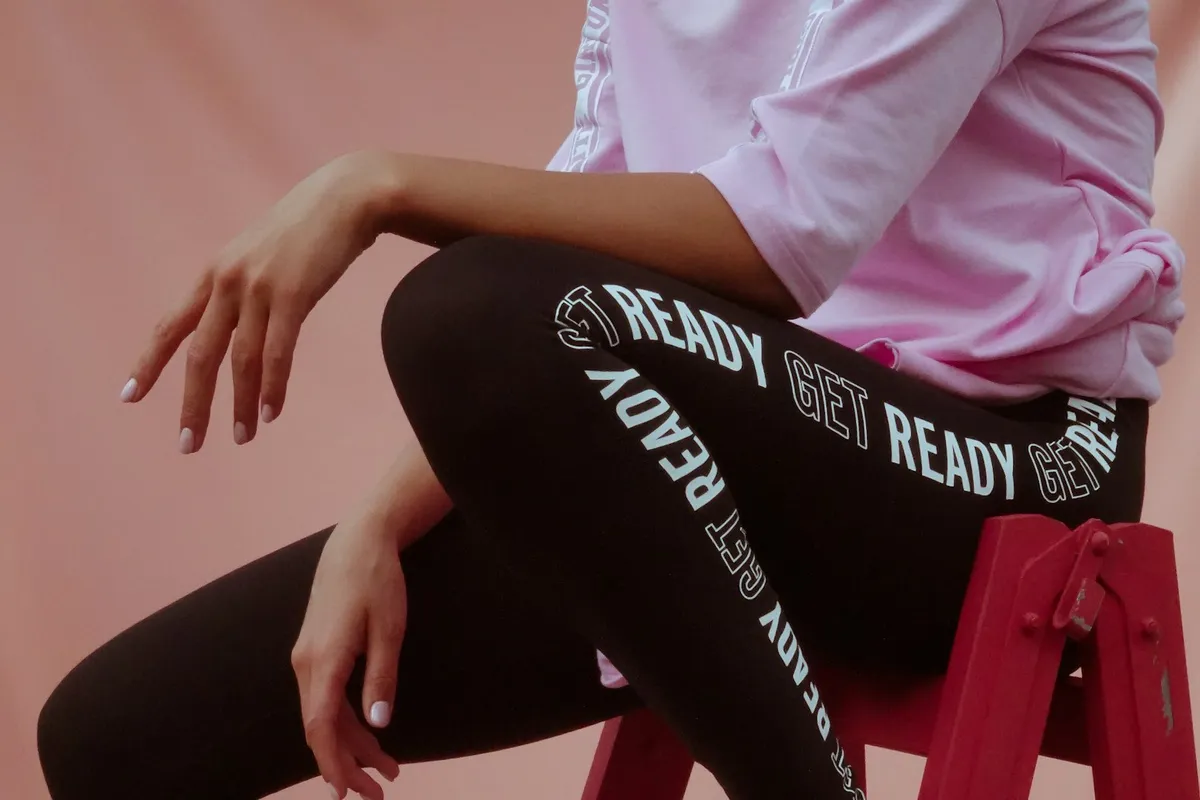
Fit has become the thing people actually scrutinize now, more than how much skin is showing. A piece that's tight in a way that distorts the silhouette — pulling at the seams, bunching at the waist, riding up — looks unfinished no matter how expensive or trendy it is. Deliberately snug pieces, worn with intention and the right proportions elsewhere, can look great. The difference is control: clothes that fit well because they were chosen to, versus clothes that are just too small and forcing exposure that wasn't really the plan.
Why the standards shifted
A lot of this comes down to one underlying shift: authenticity has quietly overtaken ostentation as the thing people actually admire. Dressing to prove something — through logos, through sheer volume of accessories, through showing as much skin as possible — reads as effort in the wrong direction now. Social media deserves some credit here too. The explosion of color-analysis content and fit-focused style accounts has trained a lot of people to actually look at undertone and silhouette instead of just chasing pieces. People are scrutinizing the details that used to go unnoticed, and the habits that ignore those details are the ones aging the fastest.
How to tell if you're still making these mistakes
The easiest gut check is photos. Outfits that look fine in the mirror can look completely different in a photo, where you lose the 3D context and just see shape, color, and proportion. If you're constantly adjusting, tugging a hem back down, or pulling a top away from your skin throughout the day, that's usually a sign the fit isn't actually working — comfort and good fit shouldn't require babysitting. And if you catch yourself defaulting to the same four logo pieces or the same five accessories out of habit rather than choice, it's worth asking whether the outfit needed them or you just reached for the familiar.
Quick swaps for each mistake
Branding overload: keep one logo moment and let the rest of the outfit stay quiet. Mismatched comfort shoes: choose the comfortable option that was actually picked for the look, not just the nearest pair. Layering without logic: cut one layer before you leave the house and see if the outfit still makes sense. Undertone clashes: figure out whether you lean warm or cool and build your go-to colors around that, not around what's trending. Accessory overload: pick one statement piece and drop the rest to simple basics. Bad-fit tightness: size up or get it tailored where it actually matters — waist, shoulders, hips — rather than forcing a fit that fights your body all day.
You may also like
Fashion
Kitten Heels Are Fall 2026's Breakout Shoe Trend: Budget-Friendly Ways to Get the Polished Look
Fashion
The Leggings Revival Is Back for Fall/Winter 2026: Budget Ways to Style the Runway Comeback
Fashion
The Glossy Trench Coat Trend Is Everywhere This Fall — Here's How to Get the Look Without the Designer Price Tag