Women's Wardrobe Essentials That Make Getting Dressed Easier
Ever stood in front of a closet packed with clothes and still felt like you had nothing to wear? That's not a quantity problem. It's a combination problem, and the fix is simpler than buying more.
A well-fitted basic tee or top
Skip the flimsy fabric and go for quality material with a cut that skims instead of clings. Stick to neutral colors so it pairs with everything already hanging in your closet.
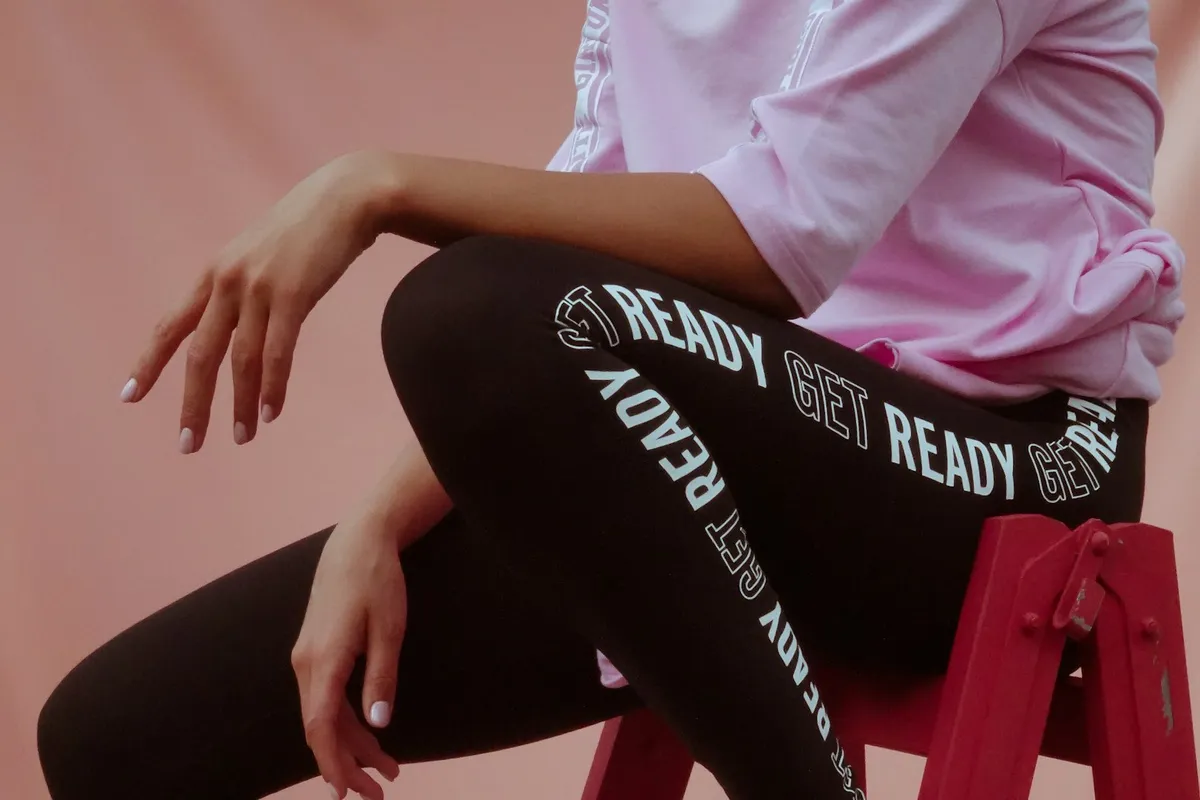
Pants that work with everything
A straight-leg or slightly tailored fit in a neutral shade pulls double duty, looking just as good with a basic tee as it does under a blazer.
A versatile dress for any occasion
Keep it simple: a clean cut, mid-length hem, and a solid color. Throw on sneakers for a casual day, swap in heels, and it instantly reads dressed-up.
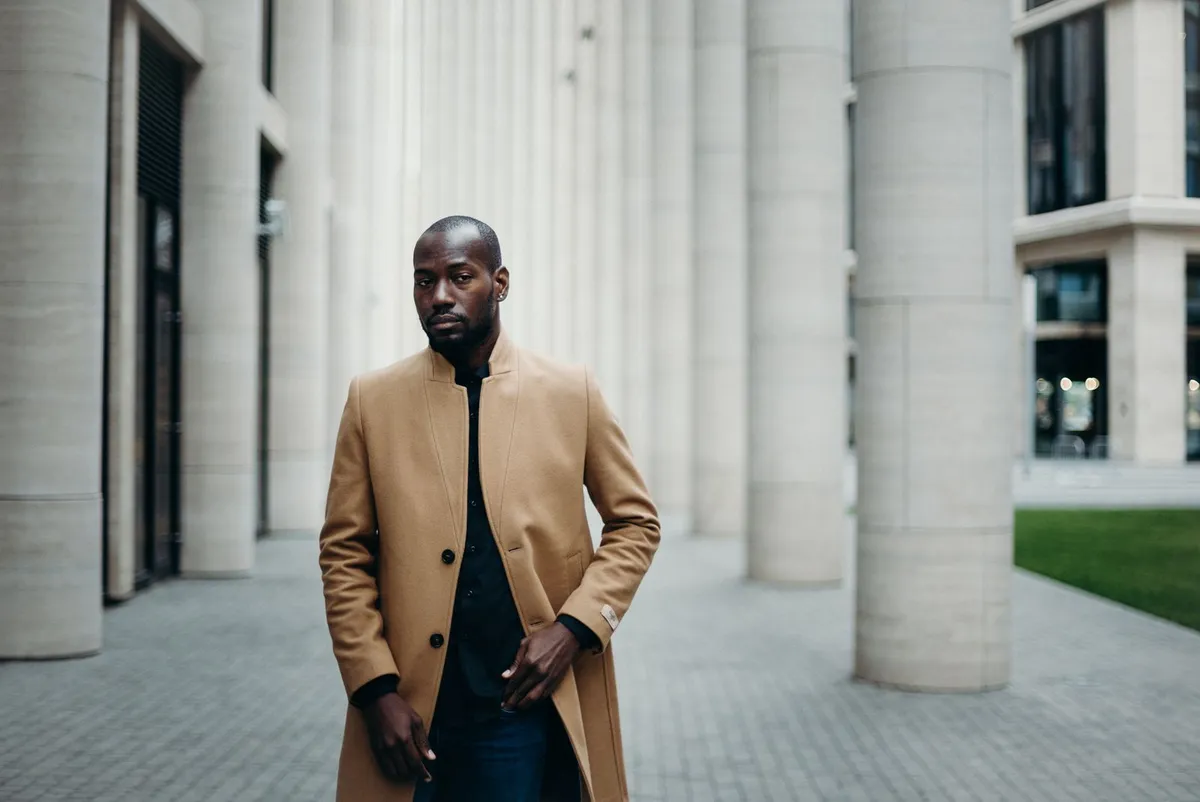
A structured blazer or jacket
This is the piece that does the heavy lifting. It turns plain pants and a tee into a work-ready outfit and elevates a simple dress into something polished.
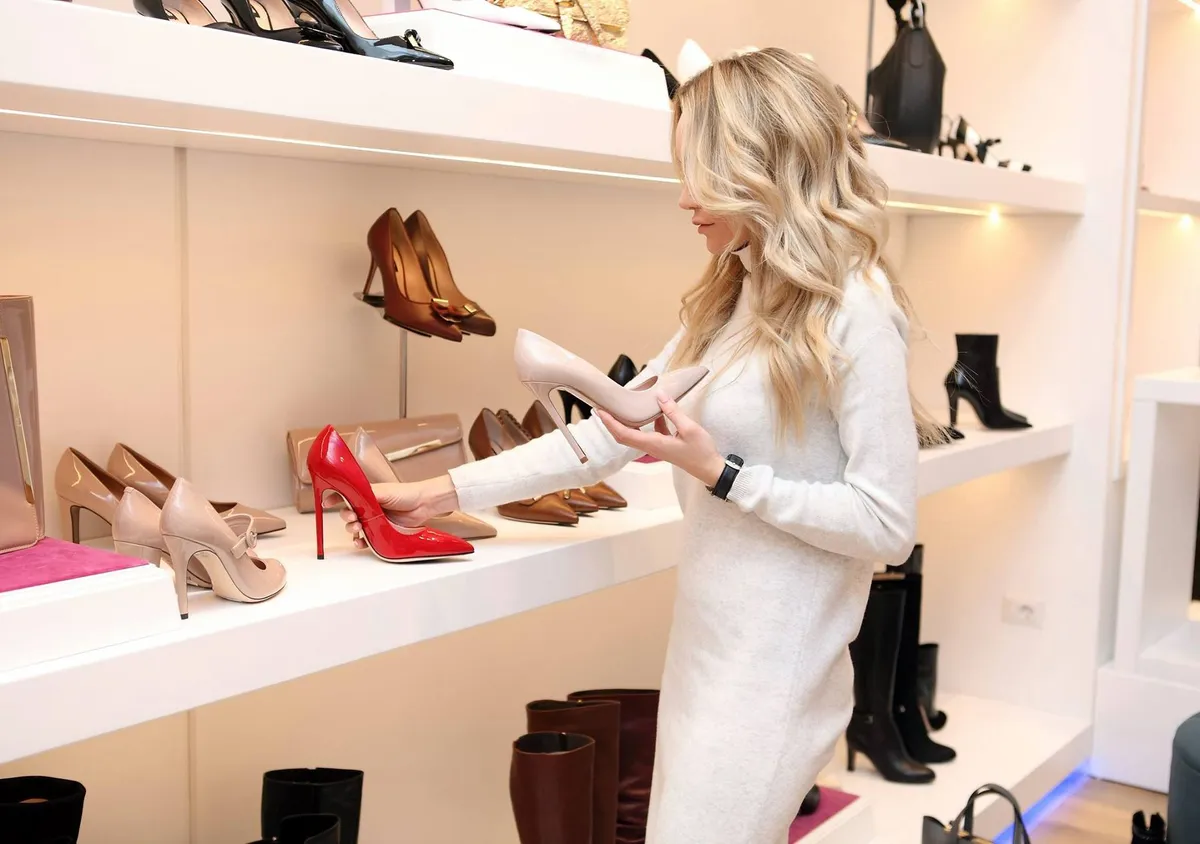
Neutral, comfortable shoes
A gorgeous shoe that leaves you limping by noon isn't actually versatile. A clean white sneaker handles most of what your week throws at it.
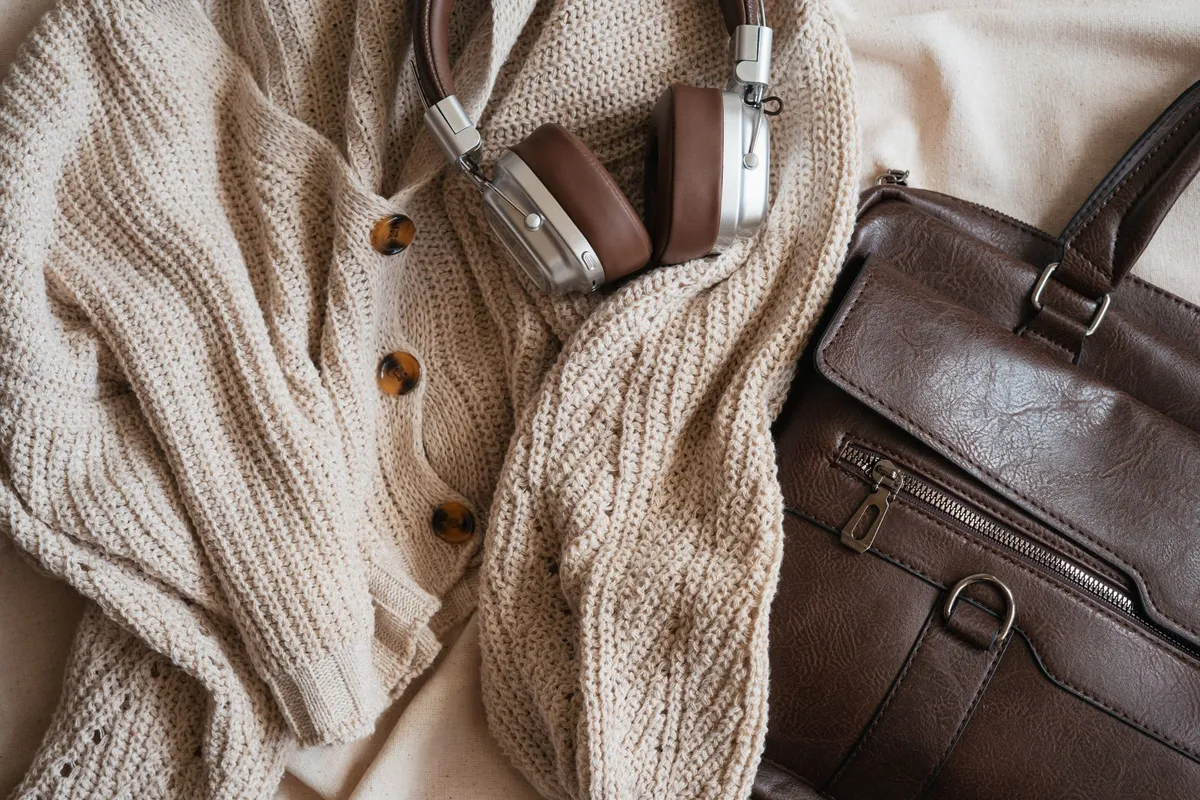
A reliable everyday bag
Go for a medium size in vegan leather and a neutral tone. It should move seamlessly from the office to weekend errands without missing a beat.
Accessories that multiply your options
A thin belt, a scarf, earrings in different sizes. These small additions are what keep the same handful of basics from ever feeling repetitive.
How to build a week of outfits from just a few pieces
With three tops, two pairs of pants, and one blazer, you can put together seven distinct looks by swapping out a single element each day.
Building a wardrobe that actually works isn't about having more. It's about choosing the right pieces and letting them do more for you.
Why Women's Capsule Wardrobes Are Driving the Market
The "fewer, better pieces" approach outlined above isn't just a personal styling philosophy, it's also where the biggest share of spending is actually going. According to a 2025 market research report from PW Consulting, women's apparel accounted for 68.9 percent of the global capsule wardrobe market in 2025, worth roughly $142.65 million out of a $207 million total market, by far the largest single consumer segment. Direct-to-consumer online brands captured 64.6 percent of that spending, which tracks with how most women are now building these wardrobes: piece by piece, researched online, rather than through one big in-store haul.
What this tells you practically is that you're not an outlier for wanting a smaller, smarter closet, it's become the dominant way women are actually shopping, and brands have reorganized entire product lines around it. The dress, blazer, and sneaker combination described above isn't just convenient for your morning routine, it mirrors exactly the kind of cross-category, wear-everywhere pieces that are now driving the fastest-growing slice of women's apparel spending industry-wide.
That also explains why investing a little more in the handful of true workhorse pieces, the blazer, the versatile dress, the everyday bag, tends to pay off: the market data backs up what stylists have said for years, which is that a few well-chosen, cross-context pieces consistently outperform a closet full of narrower, occasion-specific buys.
It's a useful frame to apply the next time you're tempted by a one-off piece that only works for a single event. Ask whether it could realistically cross into two or three other outfits the way your blazer, dress, or everyday bag already do. If the answer is no, that's usually the clearest sign the piece doesn't belong in the smaller, smarter wardrobe this guide is describing, no matter how much you like it in the store.
The same logic applies to replacing worn-out staples. When your go-to blazer or everyday bag finally wears out, the market shift described above suggests it's worth replacing it with something built the same way rather than whatever's cheapest in that moment, since those cross-context pieces are exactly where women's apparel spending is concentrating in the first place.
You may also like
Fashion
Kitten Heels Are Fall 2026's Breakout Shoe Trend: Budget-Friendly Ways to Get the Polished Look
Fashion
The Leggings Revival Is Back for Fall/Winter 2026: Budget Ways to Style the Runway Comeback
Fashion
The Glossy Trench Coat Trend Is Everywhere This Fall — Here's How to Get the Look Without the Designer Price Tag