Eras Dressing: Fall 2026's Favorite Way to Mix Decades in One Outfit
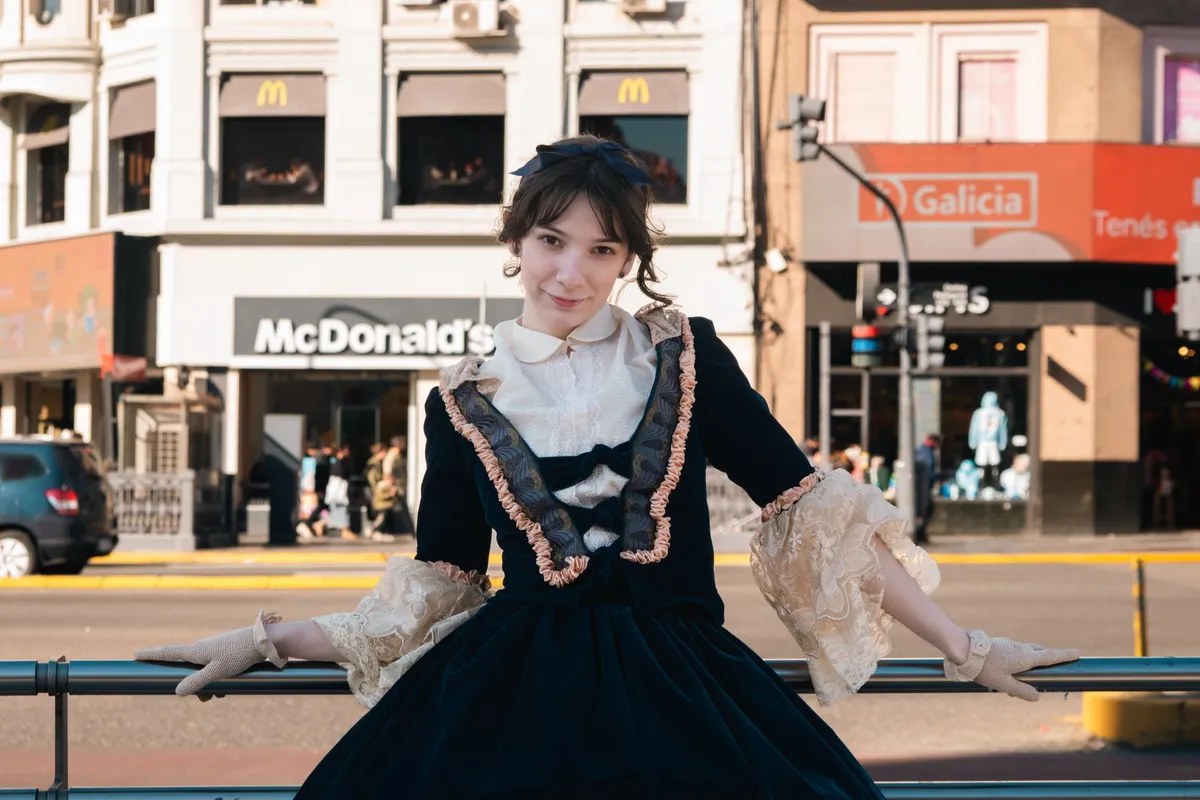
Scroll through any street-style feed from New York, Buenos Aires, or Seoul this fall and you'll notice something that doesn't fit the usual "trend of the season" format: nobody is dressing for just one decade anymore. A '60s silhouette paired with '90s minimalism. A corseted Victorian bodice worn with sneakers. Fashion editors are calling it "eras dressing," and it has quietly become 2026's most interesting style conversation — not because it's a single look, but because it's a way of thinking about your closet.
What "Eras Dressing" Actually Means
Unlike most seasonal trends, eras dressing isn't about buying one specific item. It's about pulling references from different decades into the same outfit on purpose — a '70s-cut trouser with an '80s-shouldered jacket, or a minimalist '90s slip dress styled with a chunky 2000s belt. Fashion commentator Natalie Hammond, writing for Who What Wear, traced the trend back to how tastemakers and stylists are now curating looks specifically to "pool references" rather than commit to a single aesthetic head to toe.
The appeal is partly practical: it's a trend built entirely around clothes you may already own, mixed in new combinations, rather than a fresh shopping list every season.
Why It's Catching On Right Now
Part of the shift is fatigue with head-to-toe "full looks" — the kind of matching, runway-fresh outfits that only make sense if you're being paid to wear them. Vintage specialists point out that eras dressing rewards exactly the opposite instinct: an interesting outfit becomes less about matching and more about contrast. Pairing a decade's bold silhouette with a different decade's quiet restraint keeps a look from feeling costumey while still telling a story.
There's also a sustainability angle worth naming honestly — reaching for pieces you already own from different "eras" of your own wardrobe, instead of replacing them every season, fits a broader mood shift toward buying less and styling smarter.
How to Try It Without Looking Like You're in Costume
The easiest entry point is picking one era for silhouette and a completely different one for everything else. A boxy '80s blazer with slim modern trousers and minimal jewelry reads as intentional, not theatrical. Stylists interviewed on the trend repeatedly mention the same rule: pick one loud decade reference per outfit, and let the rest of the look stay simple.
A few low-risk combinations to start with:
'60s hair, modern tailoring. A clean, structured blazer with a bold, era-specific hairstyle or accessory does more work than an entire period costume.
'90s minimalism as your "quiet" layer. If you're wearing one statement piece from another decade, let a slip dress, simple tank, or straight trouser do the rest of the talking.
Vintage accessories over vintage garments. A single era-specific bag, sunglasses, or pair of shoes is an easier entry point than a full vintage outfit, and it's the detail most stylists lean on first.
The Bottom Line
Eras dressing isn't a single garment you need to buy — it's permission to stop treating your wardrobe as one consistent aesthetic and start treating it as a timeline you get to edit. Start with one unexpected pairing — an old silhouette, a new fabric, or vice versa — and build out from there.
Disclosure: Mistlora is an independent fashion and lifestyle publication. We are not affiliated with, endorsed by, or sponsored by SHEIN — brand names are referenced here for informational and editorial purposes only.
The One Styling Rule That Keeps It From Reading as Costume
If there is a single technical trick behind eras dressing, stylists keep landing on the same one: let the silhouette anchor one decade and the details nod to another, rather than committing a whole outfit to a single era. A breakdown of 2026 vintage trends by decade puts it plainly: a 1950s swing skirt paired with a 1990s-style knit top, or a 1940s tailored jacket worn with 1970s wide-leg trousers, reads as "dressed" rather than "dressed up" precisely because only one piece is doing the time-traveling at once. The same source notes that in 2026 these pieces are being worn selectively, as a single decade-coded anchor inside an otherwise contemporary outfit, which is the exact distinction between genuine eras dressing and a costume.
Fashion commentator Natalie Hammond, credited with popularizing the term in Who What Wear's coverage of the trend, describes it as weaving multiple seasons, years and even epochs into one look — and one of her own examples carries three distinct decades in a single outfit: 1996 monochrome sunglasses, a 2002 patchwork fur scarf, and a 2026 cable-knit jacket. Her advice for keeping it wearable rather than theatrical: stick to one strong vintage reference at a time — a collar shape, an unusual button, a textile — instead of stacking several at once.
You may also like
Fashion
Kitten Heels Are Fall 2026's Breakout Shoe Trend: Budget-Friendly Ways to Get the Polished Look
Fashion
The Leggings Revival Is Back for Fall/Winter 2026: Budget Ways to Style the Runway Comeback
Fashion
The Glossy Trench Coat Trend Is Everywhere This Fall — Here's How to Get the Look Without the Designer Price Tag