Quiet Luxury vs. Loud Luxury: Which Fall 2026 Trend Actually Fits Your Budget

Fall 2026 produced two very different answers to the same question: how do you dress to signal that you know what you're doing? One camp kept it quiet. The other went loud, on purpose.
What "loud" actually looked like on the runways
The fall shows were full of pieces built to be noticed. Matthieu Blazy's debut at Chanel included a sheath covered in gargantuan, clattering paillettes. Jonathan Anderson sent flouncy skirts and shimmying feathers down the runway at Dior. Sarah Burton leaned into silk fringe and heavy embroidery at Givenchy, and Glenn Martens closed Maison Margiela with a gilded gown made of 150,000 star stickers. Jack McCollough and Lazaro Hernandez put faux fur dresses on the Loewe runway. As stylist Bailey Moon, who works with Rebecca Hall and Morgan Spector, put it: "This past year I noticed a shift back to color and different materials and proportions. People are having a little bit more fun again and making more exciting choices, which also means making riskier choices." These collections and that quote are detailed in Grazia's coverage of the season.
Quiet luxury didn't disappear, it got duplicated
Here's the thing worth understanding before you buy into either camp: quiet luxury's biggest weakness was always that it was easy to copy. A beige cashmere crewneck reads as "expensive restraint" whether it cost four hundred dollars or four thousand. Once fast fashion and mid-range brands mastered that palette and silhouette, the whole point of quiet luxury, telling the room you had access to something others didn't, stopped working. Vogue Business's analysis of what comes after quiet luxury makes the case that loud luxury is playing the same game with different rules: it is still a signal meant to be read by strangers, which means it, too, will eventually get duplicated. The pendulum didn't swing toward something more honest. It just swung.
The real price gap between the two looks
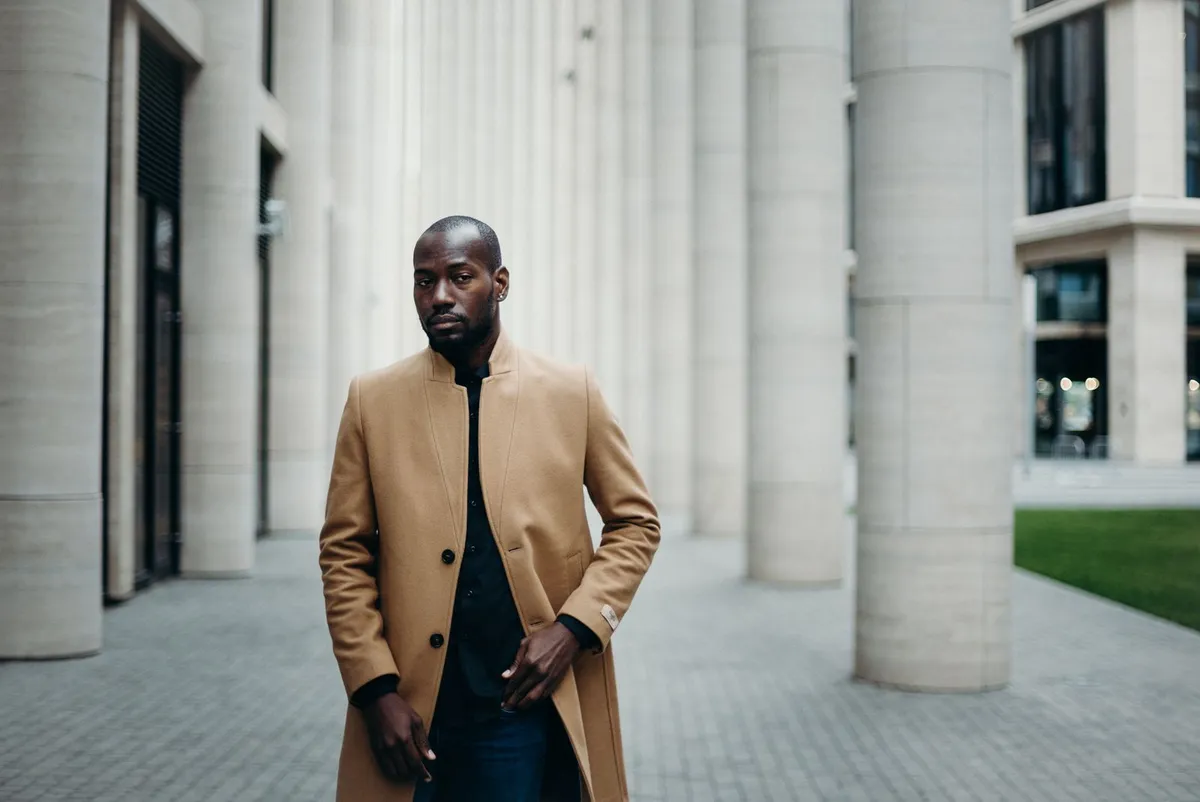
This is where budget comes in, and the numbers are more interesting than the aesthetic debate. A boxy, minimalist wool coat from RÓHE, the kind of piece that defines quiet luxury dressing for winter 2026, runs £1,210. You can get a near-identical silhouette from Weekday for £135, or from H&M for £250, according to the coat roundup in Who What Wear's winter capsule wardrobe guide. That's roughly nine times the price for a look that photographs the same from across a room. Loud luxury, on the other hand, is harder to fake cheaply precisely because its value often sits in visible craft, hand-finishing, unusual materials, embroidery density, things that are expensive to reproduce at scale. A fast-fashion leopard coat will never clatter with 150,000 hand-applied star stickers.
So which one actually fits your budget
If your budget is tight, quiet luxury is the easier trend to fake convincingly, because its whole premise is restraint: a clean silhouette, a good fabric weight, neutral color, no logo. Buy the Weekday or H&M coat, keep the proportions sharp, and nobody across a room is doing the math on your tag. Loud luxury is more expensive to replicate well, because the craft is the point, so if you want to play in that lane on a budget, pick one piece, a statement bag, embroidered gloves, a bold print scarf, and keep everything else quiet around it. Don't try to do both trends in full at once. Spend where it actually reads, and skip the rest.
The bottom line
Neither trend is really about honesty, both are status signals dressed differently. But one of them is cheaper to pull off with a straight face. If your closet needs to work on a real budget this fall, lean quiet, and spend your actual money on fit and fabric weight rather than labels. Try the coat on in person before you buy either version, because the whole trade rests on how the fabric falls on your actual body, not on a hanger or a product photo, and a £135 coat that fits you well will always beat a £1,210 coat that doesn't.
You may also like
Fashion
Kitten Heels Are Fall 2026's Breakout Shoe Trend: Budget-Friendly Ways to Get the Polished Look
Fashion
The Leggings Revival Is Back for Fall/Winter 2026: Budget Ways to Style the Runway Comeback
Fashion
The Glossy Trench Coat Trend Is Everywhere This Fall — Here's How to Get the Look Without the Designer Price Tag