Animal Print Is Having Another Moment This Fall
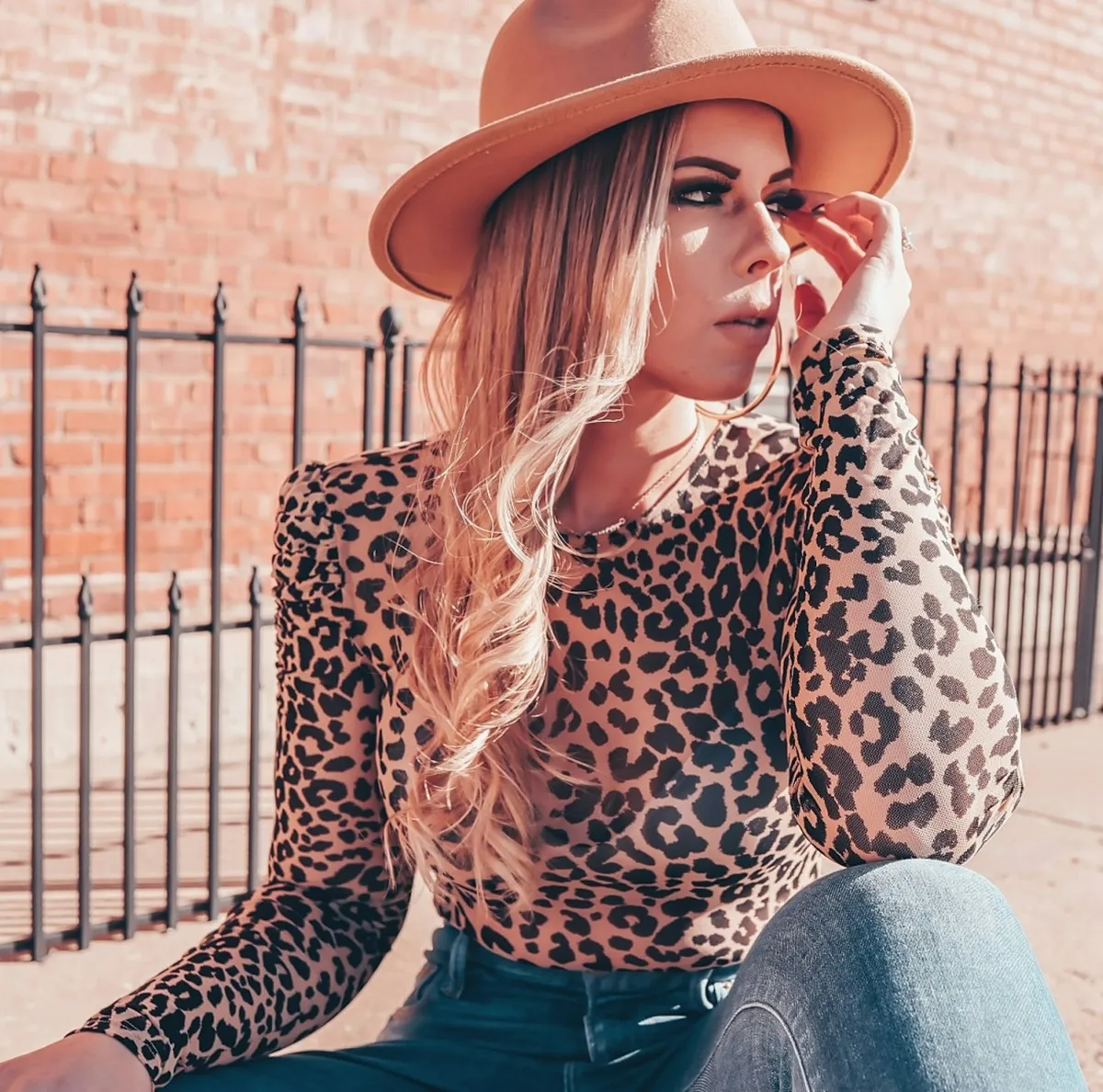
Animal print comes back around almost every season, but what's happening on the fall 2026 runways is a little different: designers aren't treating it as a loud statement anymore. They're treating it as a neutral.
From statement print to wardrobe staple
"Animal print is dominating accessories and outerwear for Fall 2026," stylist Erlanger told The Zoe Report. "It functions less as a loud statement print and more as a warm, rich neutral that anchors dark luxury palettes." That reframing matters, because it's the difference between a trend piece you wear once and a piece you build outfits around. Leopard spots and dark python scales showed up as exactly that kind of anchor on the runways at Saint Laurent, Carolina Herrera, and Jacquemus, worn the way you'd wear camel or black, as the base a whole look is built on rather than the loudest thing in it.
What it actually looked like on the runway
The specifics matter more than the general trend call. At Khaite, snakeskin pumps got paired with rinse-wash denim, a minimalist, low-key way into the print. Isabel Marant went the opposite direction, pairing crimson jeans with zebra-print tall boots for a much more maximalist statement. Both approaches showed up in Vogue's roundup of the top fall 2026 shoe trends, and the gap between them is basically a map of how much animal print you can personally handle. If a full zebra boot feels like too much, a snakeskin pump worn with plain denim gets you the same trend without the commitment.
Where to actually spend if you're trying this
Erlanger's advice, also via The Zoe Report, is to pick one hero piece rather than trying to work the print into every layer: "Throw a structured leopard calf-hair coat over an all-black cashmere look, or use it as a punctuation mark via a dark python structured handbag or sleek kitten-heel pump." That's a useful rule for a trend that can tip into costume territory fast. One structured coat or one bag does the job. A leopard coat, a python bag, and zebra boots worn together reads as a theme, not an outfit.
The pattern has a longer history than this season
It's worth knowing that animal print isn't a cycle designers invented recently. The look has roots going back to the Jazz Age, with Josephine Baker among the figures associated with its early rise, and it later became a recurring reference point for designers including Elsa Schiaparelli, Christian Dior, and Roberto Cavalli, each of whom put animal print into some of their earliest collections. That history is part of why the print reads as confident rather than costume-y when it's worn with intention, it's a pattern with real design pedigree, not a passing novelty.
How to wear it without it wearing you
Keep the rest of the outfit quiet. The reframing of animal print as a neutral only works if you treat it like one, meaning the rest of your palette should be black, camel, white, or another true neutral, not a second competing pattern. Texture is your other lever: a mohair leopard sweater reads completely differently from a flat-printed leopard blouse, even in the same colorway, because the texture does some of the work the print alone would otherwise have to do. And scale matters: a small accessory, gloves, a belt, a scarf, is the lowest-commitment entry point if you're not sure the print works for you yet.
The bottom line
This isn't the loud, maximalist animal print of previous seasons. Fall 2026 is using leopard and python as a replacement for your usual neutrals, which means the smartest way in is one confident piece, not five. Start with an accessory, move up to a coat or boots once you know you like it, and let the rest of your closet stay quiet around it. It's one of the lowest-risk trend bets of the season precisely because it isn't actually new, which means it won't look dated in six months the way a true micro-trend would.
You may also like
Fashion
Kitten Heels Are Fall 2026's Breakout Shoe Trend: Budget-Friendly Ways to Get the Polished Look
Fashion
The Leggings Revival Is Back for Fall/Winter 2026: Budget Ways to Style the Runway Comeback
Fashion
The Glossy Trench Coat Trend Is Everywhere This Fall — Here's How to Get the Look Without the Designer Price Tag