Minimalist Jewelry Is Quietly Replacing Statement Pieces This Fall
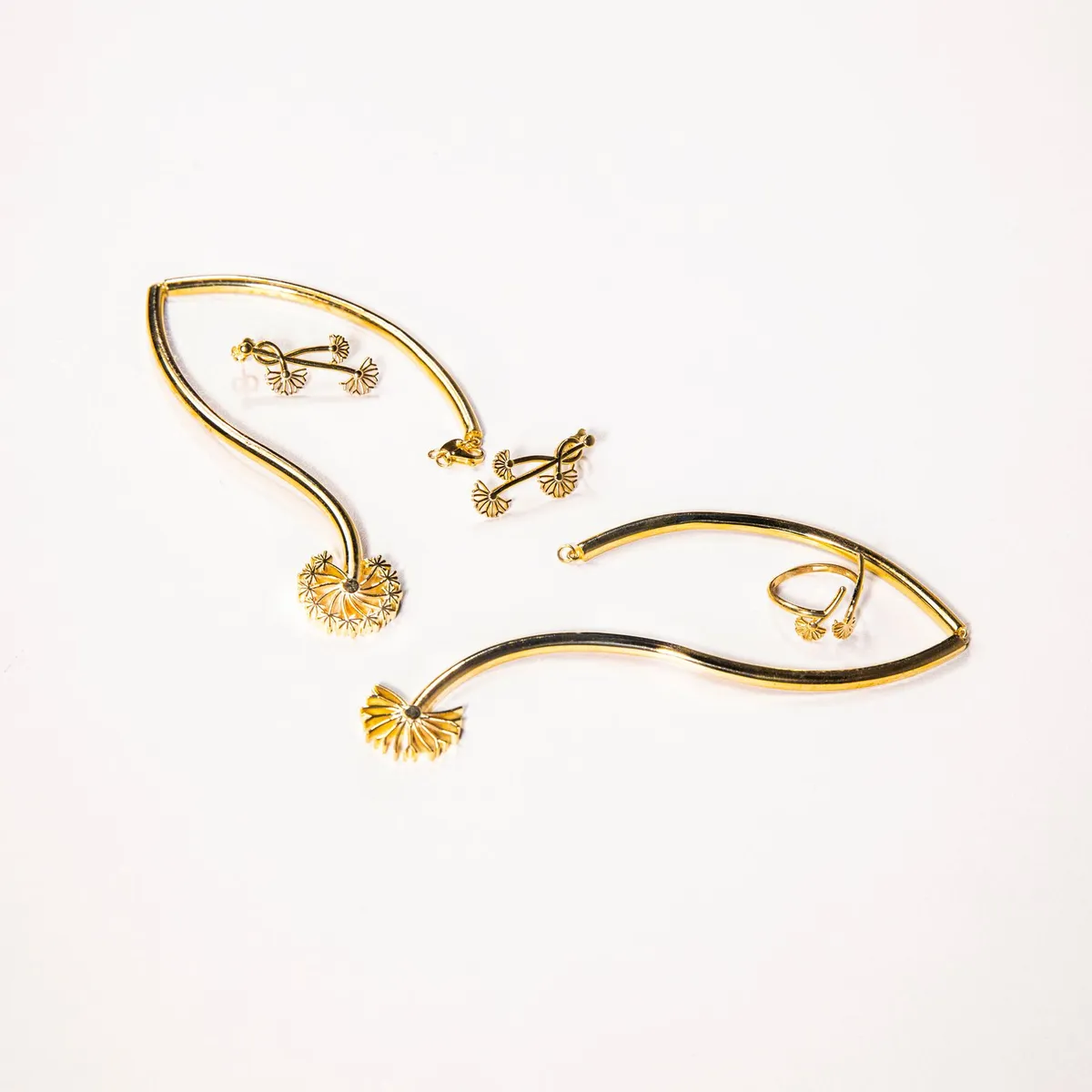
If you scrolled through runway coverage this season, you probably noticed something strange: fall 2026 shows were loud. Saint Laurent sent out earrings big enough to compete with the models wearing them. Valentino stacked pearls "the size of gumballs" three strands deep. And yet, walk down any street in a major city, and you'll see more fine gold chains and single studs than chandelier earrings. That gap is the story.
What the Runways Actually Showed
According to Elle's rundown of the fall 2026 jewelry trends, Saint Laurent, Mugler, and Celine all leaned into bold, '80s-inspired gold "baubles" for their fall/winter 2026 shows — the opposite of understated. Reporting on the same season described Saint Laurent's earrings as scaled so large they rivaled the models wearing them, with Valentino's triple-strand pearls following the same maximalist logic.
So minimalist jewelry isn't dominating the runway conversation. What it's doing is quietly holding its ground everywhere else — on the street, in everyday rotation, and in the way people actually shop for jewelry they'll wear five days a week rather than for one fashion-week photo.
The Quiet Counter-Trend
This is where the "quietly replacing" framing makes sense: not as a runway story, but as a buying behavior story. Brands built entirely around everyday fine jewelry, like Mejuri, continue to sell basics — a 10k solid gold Stacker Ring runs $138, a Single Mini Hoop is $68, and a Bold Dot Ring in 18k gold vermeil is $98, per Mejuri's current shop page. These are not statement pieces. They're small, stackable, and designed to be worn constantly rather than saved for an event, which is exactly the opposite instinct from a $548 pavé diamond hoop or a sculptural runway cuff.
Why the Shift Is Happening Off the Runway
Maximalist jewelry photographs well and generates headlines, but it's genuinely hard to wear daily — oversized pieces catch on clothing, require more careful styling, and read as "occasion" rather than "Tuesday." Minimalist pieces solve a problem maximalism doesn't: they go under a collar, under a scarf, under a coat, without any adjustment. That practicality is exactly why they keep showing up in real wardrobes even in a season when every major show went bigger and louder.
How to Wear Minimalist Jewelry Without Looking Under-Dressed
The key to making pared-back jewelry feel intentional rather than forgettable is layering with restraint. A thin chain layered with a slightly thicker one, two mismatched studs in the same ear, or a single ring worn alone on an otherwise bare hand — these choices read as considered, not accidental. Mixing metals (a gold stud with a silver hoop, for example) also keeps a minimal look from feeling too matched and safe.
Where It Fits With the Bigger Trend
It's worth noting that the maximalist direction isn't pure spectacle — much of the fall 2026 jewelry coverage also pointed to personal, charm-loaded pieces, mixed metals, and baroque pearls with irregular surfaces, all of which share a value with the minimalist camp: jewelry that feels like it belongs to you specifically, rather than jewelry bought to match a trend report. The two movements are less opposed than they look. Both are reactions against jewelry that feels generic.
What to Actually Buy
If you're building a minimalist jewelry rotation this fall, prioritize pieces that can be worn in the shower, at the gym, and to work without a second thought — solid gold studs, a slim chain you won't need to take off, a single signet ring. Save the statement pieces for the one or two nights a season when you actually want jewelry to be the main character.
The Bottom Line
Fall 2026's runways were about volume and spectacle, but the pieces most people are actually buying and wearing tell a different story. Minimalist jewelry isn't making headlines this season — it's just quietly doing the job statement jewelry can't: being worn every single day.
You may also like
Fashion
Kitten Heels Are Fall 2026's Breakout Shoe Trend: Budget-Friendly Ways to Get the Polished Look
Fashion
The Leggings Revival Is Back for Fall/Winter 2026: Budget Ways to Style the Runway Comeback
Fashion
The Glossy Trench Coat Trend Is Everywhere This Fall — Here's How to Get the Look Without the Designer Price Tag