Vintage Band Tees Are Back as a Layering Staple

The vintage band tee has outlived more trend cycles than almost any other single garment, and this season it's back in a specific role: not as the whole outfit, but as the layering piece everything else gets built around.
Why This Piece Keeps Coming Back
Vogue's coverage of the graphic tee's return points to something specific: fashion's renewed interest in clothes that reveal a bit of personality rather than pieces designed to be invisible. The article calls out Kristen Stewart specifically for her collection of vintage band tees — Led Zeppelin, Talking Heads, Pixies, the Beach Boys — worn with authority and paired with slouchy denim and Converse, rather than treated as a costume reference to a decade she didn't live through.
That authority is the difference between wearing a band tee and wearing a band tee ironically. The trend isn't about owning merch from a band you've never heard — it's about pieces that read as actually collected over time.
The Resale Market Behind the Trend
Part of why this piece feels current again is that the resale market for it has become genuinely substantial. Per resale pricing data on vintage band tees, true vintage pieces from in-demand bands typically resell for $120 to $200, good-condition vintage runs $50 to $90, and newer reprints sell for $25 to $40. That spread matters stylistically — a $20 reprint from a fast-fashion rack reads completely differently from a genuinely aged $150 original, even side by side, because the wear pattern, fabric weight, and faded print quality are impossible to fully replicate.
Layering Formula One: Under a Trench
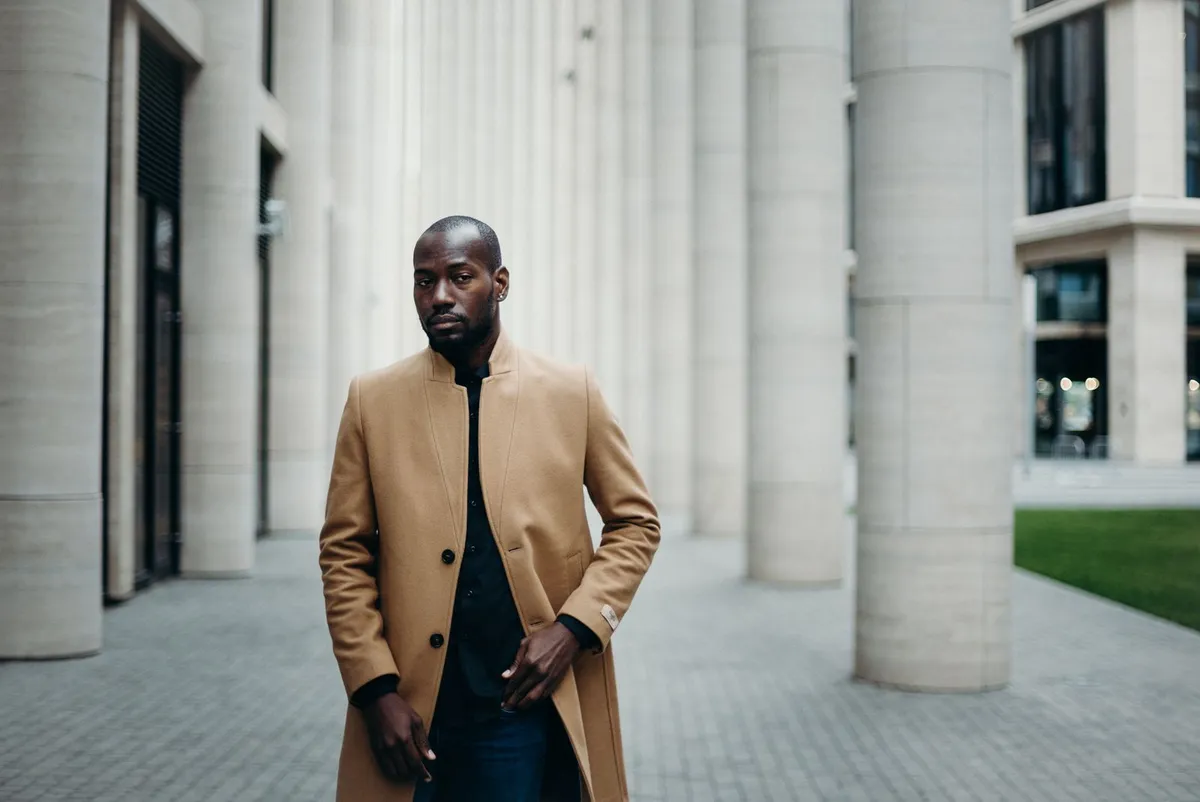
A lightweight trench in a neutral like camel or stone, worn open over a faded band tee, lets the graphic peek through without fully committing to a vintage-heavy look. Pair it with slim sneakers and low-rise denim for a silhouette that reads current rather than costume. Choose a neutral coat specifically so the tee's graphic and color stay the visual focus.
Layering Formula Two: Under a Sheer Top
A sheer blouse — pastel, black mesh, or a lightweight knit — worn directly over a graphic tee adds texture without hiding the print entirely. The tee shows through faintly, which reads more intentional than wearing it fully exposed, and it works in weather too cold for the tee alone.
Layering Formula Three: Under a Structured Blazer
This is the move that makes a band tee office-adjacent. A sharp blazer worn open over a vintage tee and straight-leg trousers reads as a deliberate high-low pairing rather than an accident, especially with the tee tucked loosely rather than fully in.
Where to Actually Find Good Ones
Skip the reprint racks if you want something with real texture and fade. Dedicated vintage resellers — on Etsy, Depop, and Grailed specifically — carry pieces that have been through genuine wear, which is where the fabric softness and print cracking that make this look work actually come from. It's worth paying the $50 to $90 range for a shirt with authentic wear over a $15 reprint that's trying to fake it with a pre-distressed print.
Caring for a Genuine Vintage Piece
Real vintage cotton is thinner and more fragile than modern tees, so machine drying on high heat is the fastest way to shrink or crack a print that's already decades old. Wash cold, inside out, and air dry when possible — the same low-heat logic that applies to any aged fabric. A $150 original is worth treating with more care than a $15 reprint, simply because it can't be replaced once the print cracks past the point of looking intentional.
Styling Watch-Outs
Avoid wearing a band tee with a full head-to-toe vintage outfit — jeans, boots, and jacket all from the same decade reads as a costume rather than current styling. Pairing the tee with at least one clearly modern piece (a current-season trouser cut, a structured bag, sleek sneakers) keeps the look from tipping into nostalgia cosplay.
The Bottom Line
The vintage band tee works this season specifically because it's being treated as infrastructure rather than the main event — something you layer under a trench, a blazer, or a sheer top rather than wear alone. That shift, more than the shirt itself, is what's keeping this decades-old staple from feeling dated.
You may also like
Fashion
Kitten Heels Are Fall 2026's Breakout Shoe Trend: Budget-Friendly Ways to Get the Polished Look
Fashion
The Leggings Revival Is Back for Fall/Winter 2026: Budget Ways to Style the Runway Comeback
Fashion
The Glossy Trench Coat Trend Is Everywhere This Fall — Here's How to Get the Look Without the Designer Price Tag