Monochrome Dressing: the Laziest Way to Look Put-Together
Monochrome dressing has a reputation problem: people assume it means throwing on a gray sweatsuit and calling it a day. But matching your palette top to bottom is actually one of the few styling tricks that makes a limited closet look expensive without spending a cent on new pieces. The trick isn't the color. It's what you do within it.
Why One Color Reads as "Put Together"
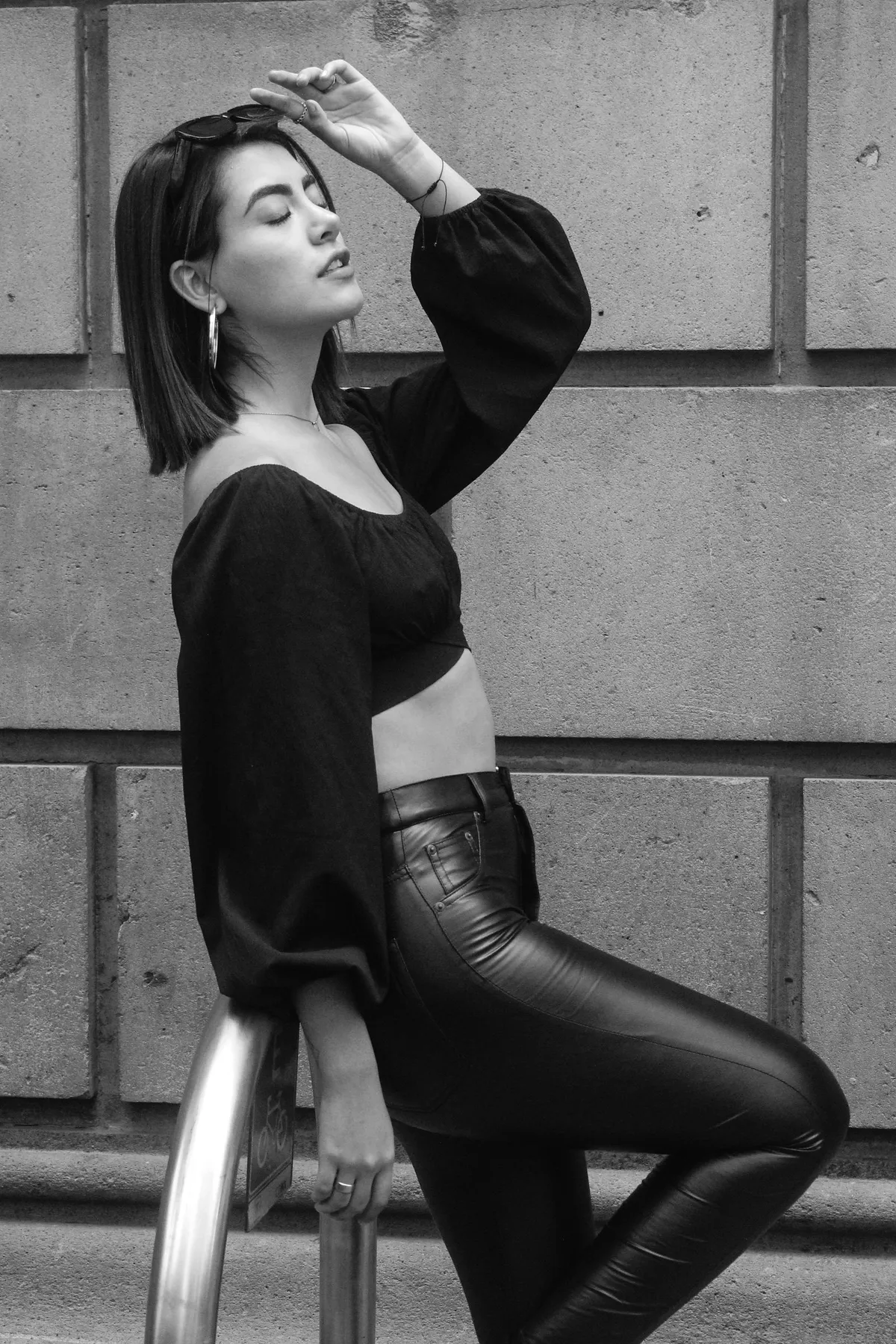
A single-color outfit tricks the eye into reading your whole silhouette as one long line instead of three separate pieces. That's the entire mechanic behind why monochrome looks pulled together even when the individual items are basic. As InStyle points out, the key to making monochrome feel modern rather than flat is adding dimension through texture, silhouette, and accessories rather than relying on the color alone to do the work.
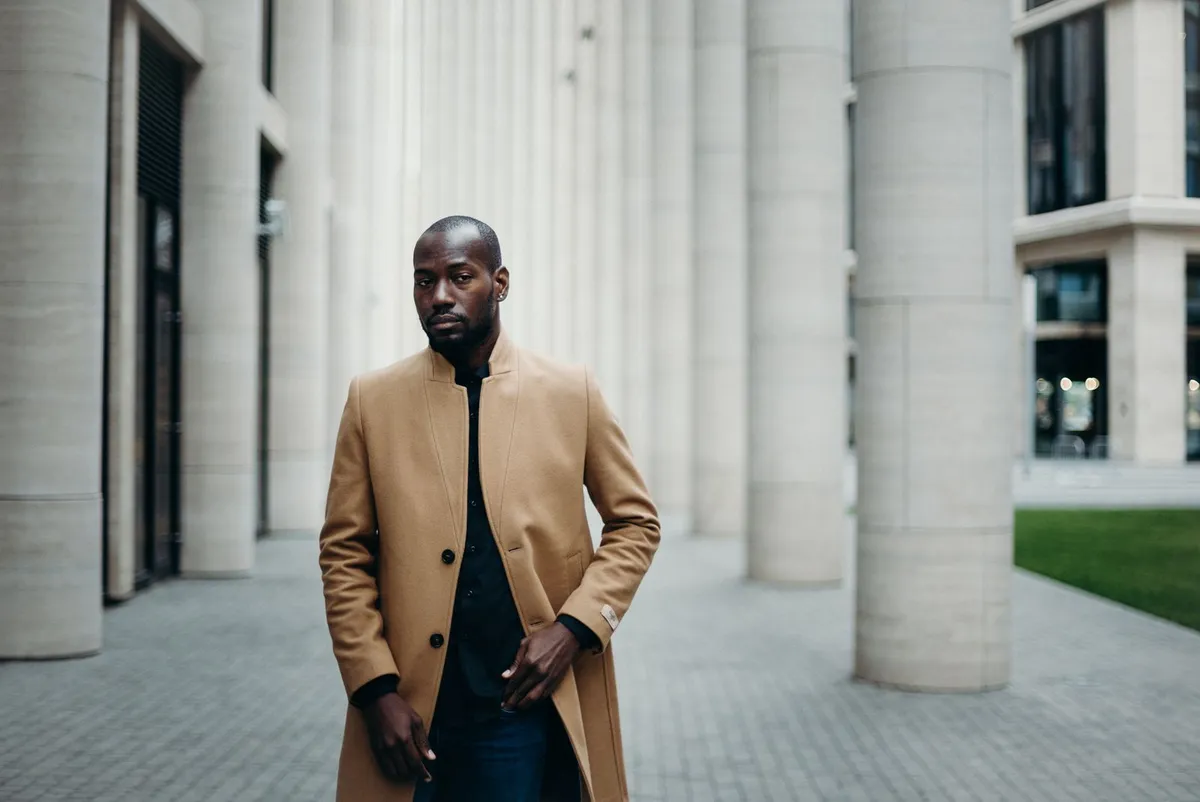
The common mistake is treating "one color" as "one identical shade." According to Apparel Resources, a flat, single tone from top to bottom tends to read as costume-like rather than considered. The more successful version plays with tonal variation within the same color family: a deeper shade on outerwear, a lighter shade underneath, with texture doing the work that contrast normally handles.
Shop Your Closet Before You Shop Anywhere Else
This is where monochrome earns its spot in a budget-styling column: you almost certainly already own three or four pieces in black, navy, camel, or gray. The goal isn't buying a new "monochrome outfit." It's auditing what you have in overlapping tones and pairing them deliberately instead of defaulting to your usual mismatched rotation. A black turtleneck, black trousers you already wear with other things, and the black boots sitting in your closet since last winter is a free outfit you've been ignoring.
If you do need to fill one gap, buy the cheapest, most neutral version of that gap piece — a basic tee or a plain cardigan — rather than something trend-driven. Neutrals are where monochrome dressing is most forgiving, since gray, beige, and off-white all have built-in tonal variation even when you're not trying.
Texture Is Doing the Heavy Lifting
Because color variation is off the table, texture becomes your only tool for avoiding the "flat sheet" look. Mixing a ribbed knit with a smooth woven trouser, or a matte cotton tee under a slightly shinier jacket, keeps a single-color outfit from reading as one block of fabric. This costs nothing — it's just about noticing which fabrics in your closet already differ in finish and deliberately pairing those instead of grabbing whatever's on top of the pile.
Play With Proportions, Not Just Color
Since the outfit has nowhere to hide behind a print or a color block, fit does more work than usual. Pairing something oversized — a slouchy button-down or a roomy sweater — with something fitted, like straight trousers or a slim skirt, keeps the silhouette from reading as shapeless. This is also a reason monochrome is a great uniform for a capsule wardrobe built around a handful of versatile basics: the formula repeats with whatever two or three pieces you already own in matching tones.
Accessories Do Double Duty
A bag, belt, or shoe in a slightly different tone within the same color family keeps the eye moving without breaking the cohesive look. This is also your cheapest styling lever: an inexpensive secondhand belt in cognac can tie together an all-brown outfit built from pieces you've owned for years. Save any investment piece for an accessory you'll use across multiple outfits, not just this one.
The Bottom Line
Monochrome dressing works because it looks intentional with almost zero decision-making once you've set the rule: same color family, different textures, one proportion contrast. For anyone trying to get dressed quickly on a weekday morning without buying anything new, it's less a trend and more a system — pull two or three pieces in the same tonal family, add one accessory that breaks it up slightly, and you're done before your coffee gets cold.
You may also like
Fashion
Kitten Heels Are Fall 2026's Breakout Shoe Trend: Budget-Friendly Ways to Get the Polished Look
Fashion
The Leggings Revival Is Back for Fall/Winter 2026: Budget Ways to Style the Runway Comeback
Fashion
The Glossy Trench Coat Trend Is Everywhere This Fall — Here's How to Get the Look Without the Designer Price Tag