Layering for Unpredictable Winter Weather Without Looking Bulky
Layering gets treated as a volume problem — add more clothes, get warmer, look bigger — when it's actually a fabric and sequencing problem. Done right, three layers keep you warm through an unpredictable commute without adding a single inch of visible bulk, and it means getting more wear out of pieces you already own instead of buying a heavier single coat for every temperature drop.
The Rule Is Thinnest to Thickest, Not Most to Fewest
The basic physics hasn't changed: lightweight garments go closest to the skin, bulkier pieces move outward. Capping your layers at two or three total is the other non-negotiable — beyond that, you start trading warmth for shape. A good rule of thumb is to stick to 2-3 layers of clothing; anything more and you risk looking puffy and stuffed, since trapped air between garments insulates far better than sheer quantity of fabric. That means a strategic three-piece combination beats a five-piece pile every time, both for warmth and for silhouette.
Fabric Choice Matters More Than Layer Count
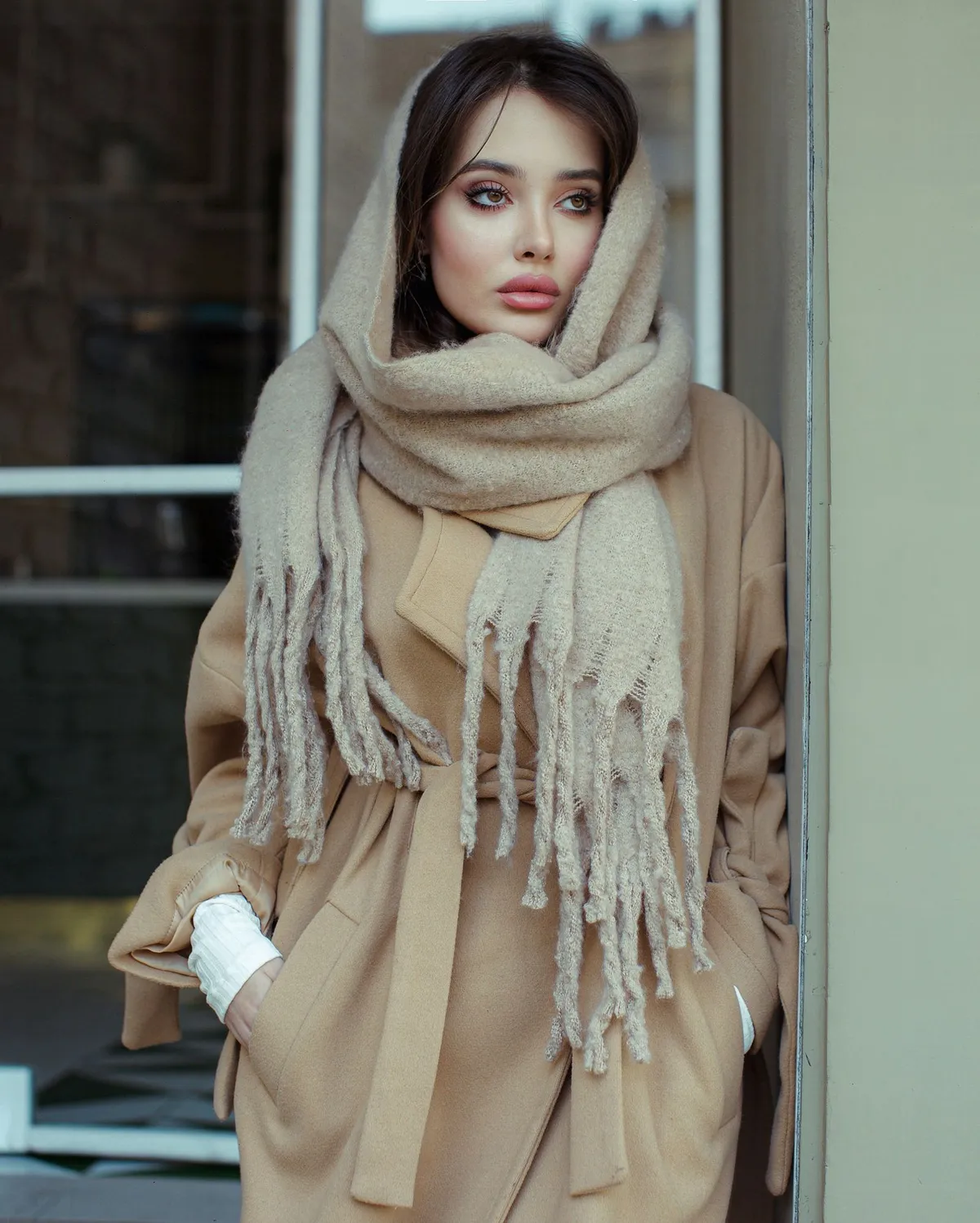
This is where sustainable, slow-wardrobe thinking pays off directly: natural fibers like merino wool and silk trap heat close to the body without adding visible volume, which means a well-made wool or silk base layer will outperform three cheap acrylic layers stacked on top of each other — and last for years instead of pilling after one winter. A fitted base layer close to the skin, a structured midlayer like a fine-knit cardigan or wool vest, and a tailored outer piece with enough room to layer under without extra fabric gathering at the sides is the formula that keeps proportions clean.
Repurpose Before You Replace
The most sustainable version of this approach uses pieces you already own in a smarter order, rather than buying thinner "technical" layering pieces to solve a bulk problem. A silk camisole you already have doubles as an invisible base layer under a sweater. A long-sleeve tee that's gotten too worn-out for wearing alone is perfect hidden under a structured shirt. Before buying anything new for layering, audit what's already folded in your drawers for pieces that are lightweight and close-fitting — that's 80% of the formula solved for free.
Contrast Keeps It From Reading as One Mass
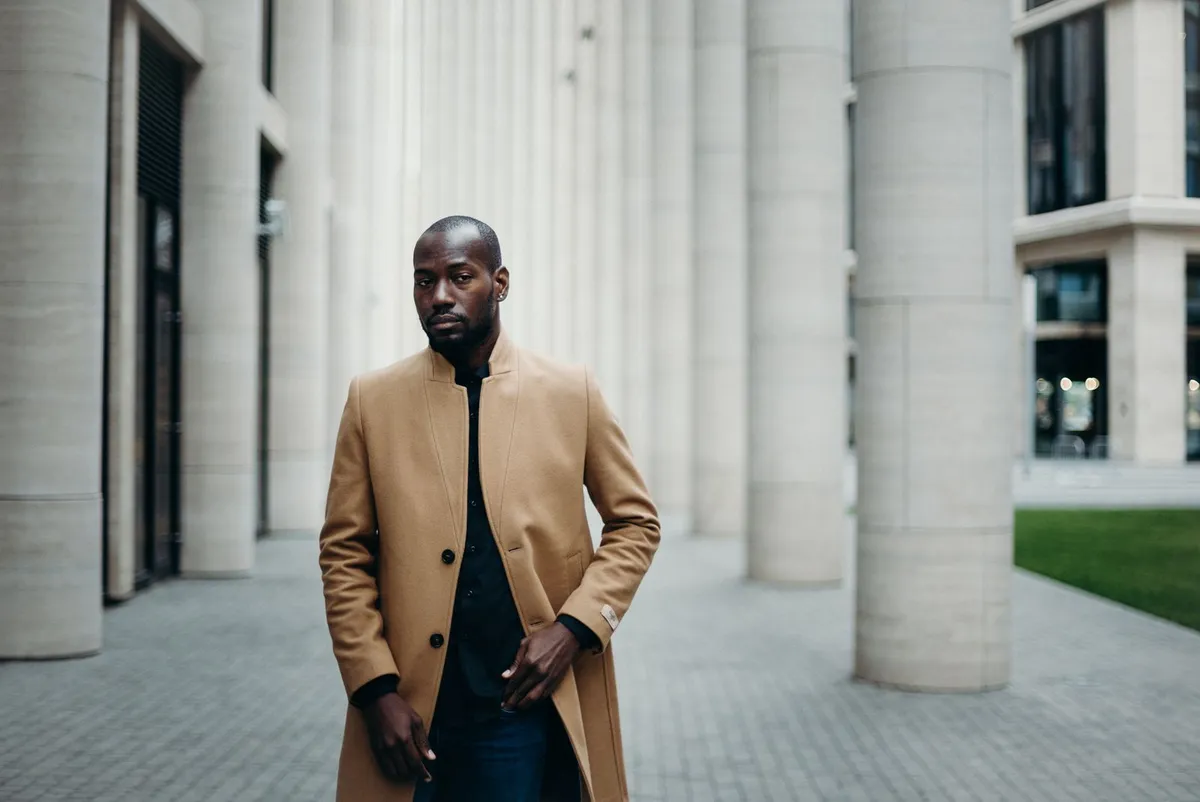
Wearing three layers of the exact same color creates an unbroken block that visually reads as bulk, even if each piece individually is thin. Contrasting your base, midlayer, and outer piece — a white base, a camel midlayer, a navy coat, for instance — breaks up that mass and makes each layer legible as a separate, considered choice rather than one shapeless garment.
Tuck Strategically, Don't Skip It
A half-tuck or front-tuck of the base layer under the midlayer defines the waist and stops layers from adding width at the hip, which matters more the more layers you're wearing. According to Marie Claire's winter layering roundup, the most successful FW26 layering looks keep a lightweight, closer-fitting base underneath while letting the top layer be as relaxed as you like — the tuck is what keeps that top-heavy proportion from swallowing the whole silhouette.
Check Yourself From the Side
Front-view mirror checks miss the bulk problem entirely. A side-profile check is where you actually see whether your layers create a clean line from shoulder to hip or a puffy outline — The Daily Star's guide to winter layering notes that sticking to that thinnest-to-thickest sequence, while allowing room to occasionally break the rule with a slim outer vest over a chunkier knit, is what keeps the whole look wearable rather than rigid.
The Bottom Line
Staying warm and staying streamlined aren't competing goals — they come from the same three decisions: fewer, better-chosen layers; natural fibers that insulate without volume; and a silhouette check before you walk out the door. None of it requires a new coat, just a smarter read of what's already hanging in your closet.
You may also like
Fashion
Kitten Heels Are Fall 2026's Breakout Shoe Trend: Budget-Friendly Ways to Get the Polished Look
Fashion
The Leggings Revival Is Back for Fall/Winter 2026: Budget Ways to Style the Runway Comeback
Fashion
The Glossy Trench Coat Trend Is Everywhere This Fall — Here's How to Get the Look Without the Designer Price Tag